
Evolution Framing Dealer Persona - Qualifying

Intent and Scope
In this sales playbook you'll find the basics for handling a prospective customer. This stage focuses on qualifying a prospect dealer as a potential lead and opportunity. These would be places such as local hardware stores, and lumber yards. This playbook takes you through the basic process of what to know, do, say, ask and show in order to move the client through the sales process.
What to Know!
Dealers from the outset are concerned and driven by a few things:
Expect many decisions to be made by two main entities at these locations. The first is the lead counter salesperson, or floor supervisor. They will typically be the person that all other associates differ to. You may overhear them directly instructing other employees on what to do. The other entity is the location manager. This person may not even be immediately visible. They might be in a back or side room working at a desk, typically they will be filing reports, ordering, taking business calls, or the like. Both of these individuals can be incredibly busy. Be mindful that if they are both swamped you may want to try again at a slower hour.
If working with a distributor in the area, there are pros and cons of coming to dealer with them. Depending on the relationship you may want to have them on-hand to help close a deal or answer specific logistics questions. The other side of this is discovery about the distributor, if they are not with you, it can become a fact finding mission about how a dealer feels about the service a given distributor(s) offers.
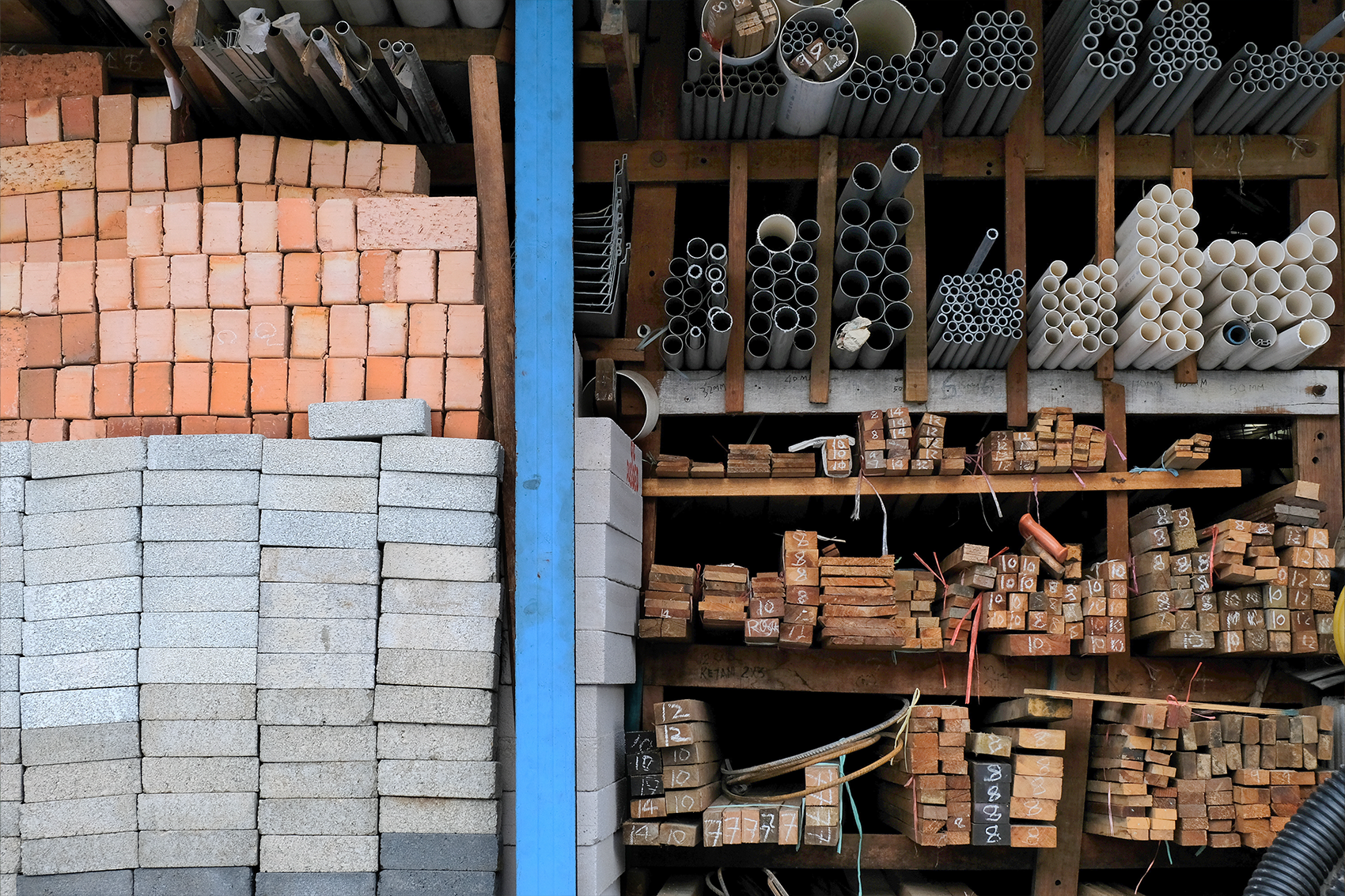
- Floor space or yard space (Depending on the size of the dealer store or retail site)
- Margin on a given product
- Inventory turns on product
- How to market and sell the product
- Seasonality of products
Expect many decisions to be made by two main entities at these locations. The first is the lead counter salesperson, or floor supervisor. They will typically be the person that all other associates differ to. You may overhear them directly instructing other employees on what to do. The other entity is the location manager. This person may not even be immediately visible. They might be in a back or side room working at a desk, typically they will be filing reports, ordering, taking business calls, or the like. Both of these individuals can be incredibly busy. Be mindful that if they are both swamped you may want to try again at a slower hour.
If working with a distributor in the area, there are pros and cons of coming to dealer with them. Depending on the relationship you may want to have them on-hand to help close a deal or answer specific logistics questions. The other side of this is discovery about the distributor, if they are not with you, it can become a fact finding mission about how a dealer feels about the service a given distributor(s) offers.
Write your awesome label here.
Write your awesome label here.
Write your awesome label here.
Write your awesome label here.
What to Do!
Begin with some recon of the dealer store or location.
Looking them up online before visiting can land you some solid information. How are they pricing, and what do customers think of them.
If this is a new dealer: Walk-in, take a look around.
If this is an existing dealer: Identify if we have a display. Do they already sell another one of our products?
Taking a look around is the best way to prepare for objection handling on space for both the product or a possible display.
If you're approached for help be polite and state that you are just looking for now, however you might need help in a bit. If they follow with the obvious question of what are you looking for? Reply to them with just wanted to see what you have for outdoor decking products, or fence.
Try to avoid talking to someone that might not be the lead counter person or floor supervisor. Try not to take up more of their time as this can be looked at as rude if you take the conversation too far.
Things you'll need to identify or answer internally:
Evolution framing is comparable to wood but will still take up space.
Do they have a showroom?
Do they have something that is just collecting dust that our product or display could be swapped out for?
Tell them you are here to service them and ask what else do they need to be able to sell our frame category. Be careful of in-store politics. Talk to head counter guy. (Not a helper at this point).
If they are swamped talk to the Store Manager.
You should be able to quickly assess if a store meets the initial criteria for the product just by looking around and observing. Once you initiate a dialogue and find out a little more about their business and traffic on backyard/outdoor lifestyle products you should really understand.
Looking them up online before visiting can land you some solid information. How are they pricing, and what do customers think of them.
If this is a new dealer: Walk-in, take a look around.
If this is an existing dealer: Identify if we have a display. Do they already sell another one of our products?
Taking a look around is the best way to prepare for objection handling on space for both the product or a possible display.
If you're approached for help be polite and state that you are just looking for now, however you might need help in a bit. If they follow with the obvious question of what are you looking for? Reply to them with just wanted to see what you have for outdoor decking products, or fence.
Try to avoid talking to someone that might not be the lead counter person or floor supervisor. Try not to take up more of their time as this can be looked at as rude if you take the conversation too far.
Things you'll need to identify or answer internally:
Evolution framing is comparable to wood but will still take up space.
Do they have a showroom?
Do they have something that is just collecting dust that our product or display could be swapped out for?
Identify if this Dealer sells or is willing to sell this product.
Do they sell similar products? What types of outdoor living solutions do they sell?
Do they sell similar products? What types of outdoor living solutions do they sell?
Get a real sense for what the reality is for this location.
Do they really move outdoors products?
Do they have anyone actively looking? (Did you come at an off time?)
Do they really move outdoors products?
Do they have anyone actively looking? (Did you come at an off time?)
Ask to speak with the Manager/Head counter guy. If they have our product - ask them about the product to see what is happening. See what kind of response you get. Identify yourself and your intent, continue asking questions throughout this phase.
Tell them you are here to service them and ask what else do they need to be able to sell our frame category. Be careful of in-store politics. Talk to head counter guy. (Not a helper at this point).
If they are swamped talk to the Store Manager.
You should be able to quickly assess if a store meets the initial criteria for the product just by looking around and observing. Once you initiate a dialogue and find out a little more about their business and traffic on backyard/outdoor lifestyle products you should really understand.
What to Say!
Again, You want to be speaking with the head-counter person. If they are tied up opt for the Store Manager. This may eventually cycle you back to the head counter person once they are freed up. Another alternative could be to visit during a slower time.
Key points to talk about:
Be aware the head counter person is likely someone familiar with getting questions about decking or deck framing. They would likely be concerned about a customer or contractors asking them about sizes and estimations.
Key points to talk about:
Be aware the head counter person is likely someone familiar with getting questions about decking or deck framing. They would likely be concerned about a customer or contractors asking them about sizes and estimations.
• Respond by referencing and speaking to general deck sizes
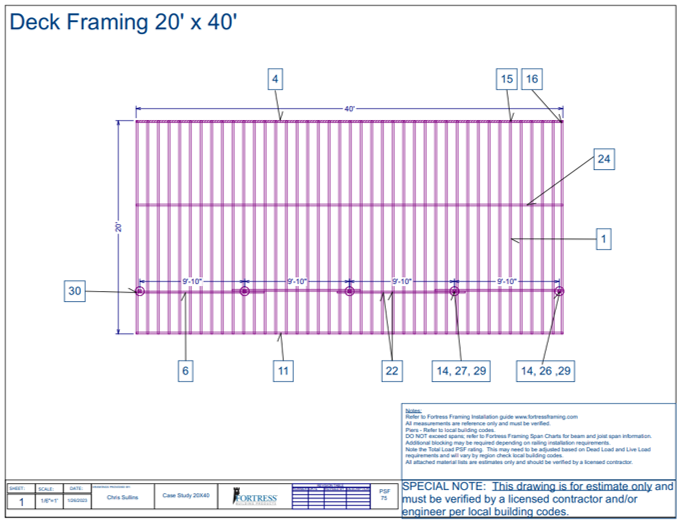
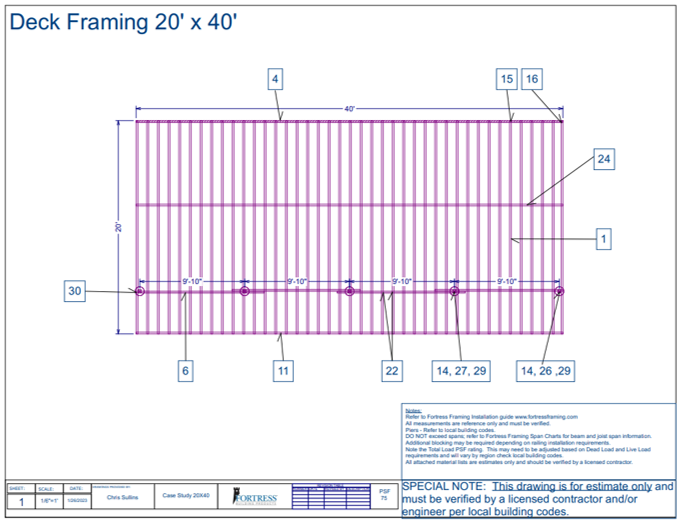
- 20' X 40'
- 20' X 20'
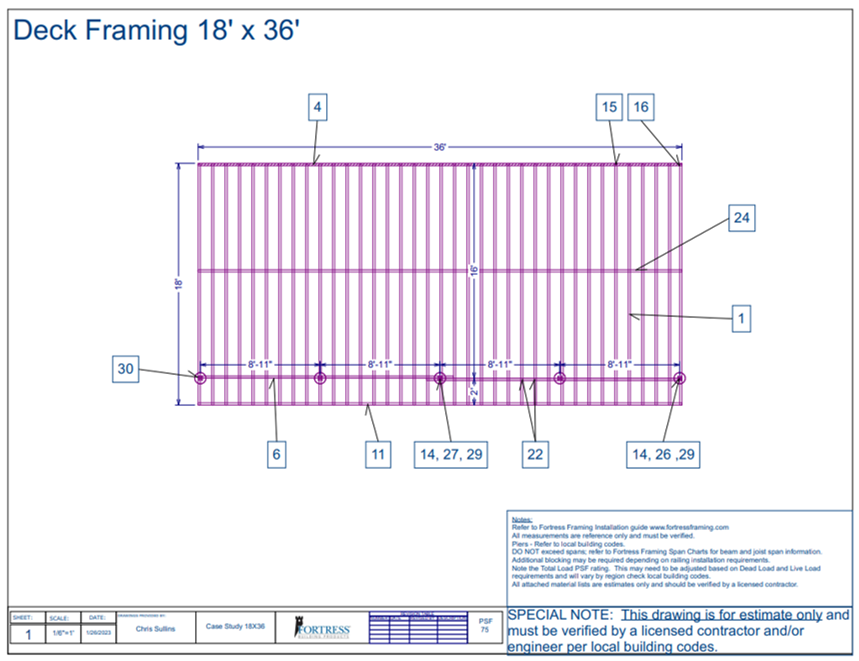
- 18' X 36'
- 18' X 36'
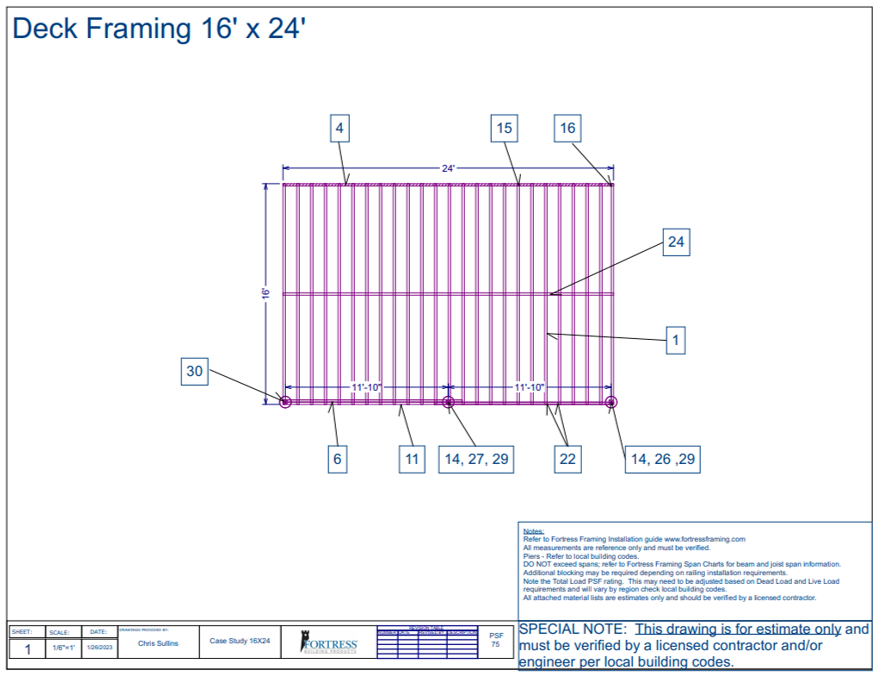
We have standard drawings with sizes and material lists as a standard that we can provide. (these are available in Salesforce and tagged at the bottom of this page for quick access.)
You may get some immediate feedback to the nature of these two example:
Objection handling - We mainly carry/sell wood for that - If you need to respond to/answer the question of why Evolution Steel Framing; Tell them that's great our product is essentially the steel version of wood framing. Give them a margin comparison and state the product comes with a warranty. Less is more in this case, and if we're talking more money with fewer headaches, either the manager or head counter person should be willing to hear you out.
Objection handling - I'd like to carry your product but we just don't have the space - Our lengths of product are the same as product you are already handling. If targeting for a display look for a section of parking lot, yard, or the store that is not really being used.
Since you're still qualifying the customer at this point make it a habit to ask and listen more than talking or pitching the product. Figuring out if the product, location, and customer are a good fit for each other is important for making more than a small one-time sale.
You may get some immediate feedback to the nature of these two example:
Objection handling - We mainly carry/sell wood for that - If you need to respond to/answer the question of why Evolution Steel Framing; Tell them that's great our product is essentially the steel version of wood framing. Give them a margin comparison and state the product comes with a warranty. Less is more in this case, and if we're talking more money with fewer headaches, either the manager or head counter person should be willing to hear you out.
Objection handling - I'd like to carry your product but we just don't have the space - Our lengths of product are the same as product you are already handling. If targeting for a display look for a section of parking lot, yard, or the store that is not really being used.
Since you're still qualifying the customer at this point make it a habit to ask and listen more than talking or pitching the product. Figuring out if the product, location, and customer are a good fit for each other is important for making more than a small one-time sale.
Write your awesome label here.
What to Ask
Selling a lot/Selling a little Question - Business Potential
Ask about our product if already selling, If not selling our product ask about a similar product in the store and ask about how its selling to break the ice and open up the conversation to our product. You can gain some additional information by asking someone that may not know you; if this is a store you've already sold. Watch and gauge their response.
Follow up with questions like:
You move a lot of that product?
What are your customers buying?
Space Question - Can they handle the product?
If you toured the location already you should have an idea about space, you may need to verify if they can handle the material/if when their distributor drops off if they are capable of unloading it. Space is a pretty common objection so dealing with early can potentially save time. This is why its important to have looked around and know where this product could go before starting this conversation.
- Are they willing to allocate space?
- Can you work with them to allocate space by identifying a slower moving product or area where things can be freed up?
- Did any of the product or areas you toured have tattered or bad looking product? (Even if you opt for an area like this, it can be an indicator of how our product will be treated)
- Identify an area where products could be combined or the space could be shared with our product. Some locations may state they can only put the product on the yard. Have a plan for this as well. Be ready to tell them it has to stay covered.
- Lastly, if needed before the visit or during, you can verify with the local distributor if they will handle the logistics (zero onsite stocking or drop off for immediate pickup situations). This will minimize or eliminate this from the conversation.
Display Question - Is there space for a display
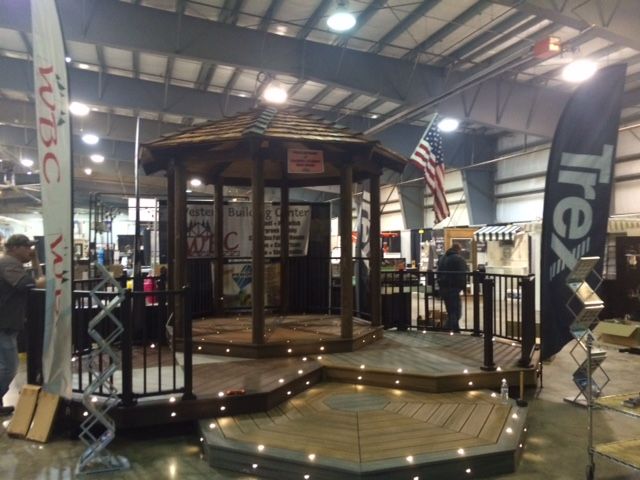
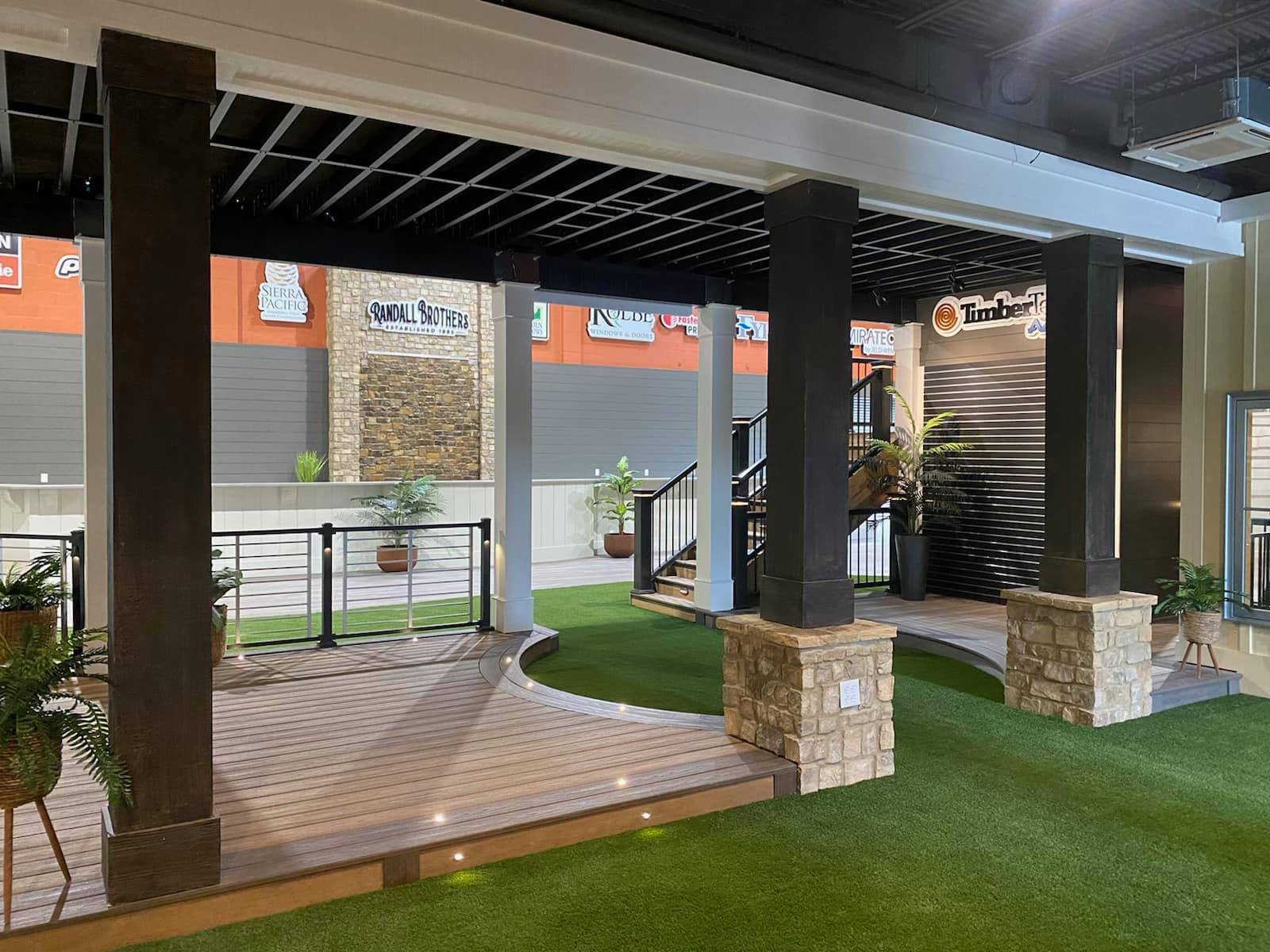
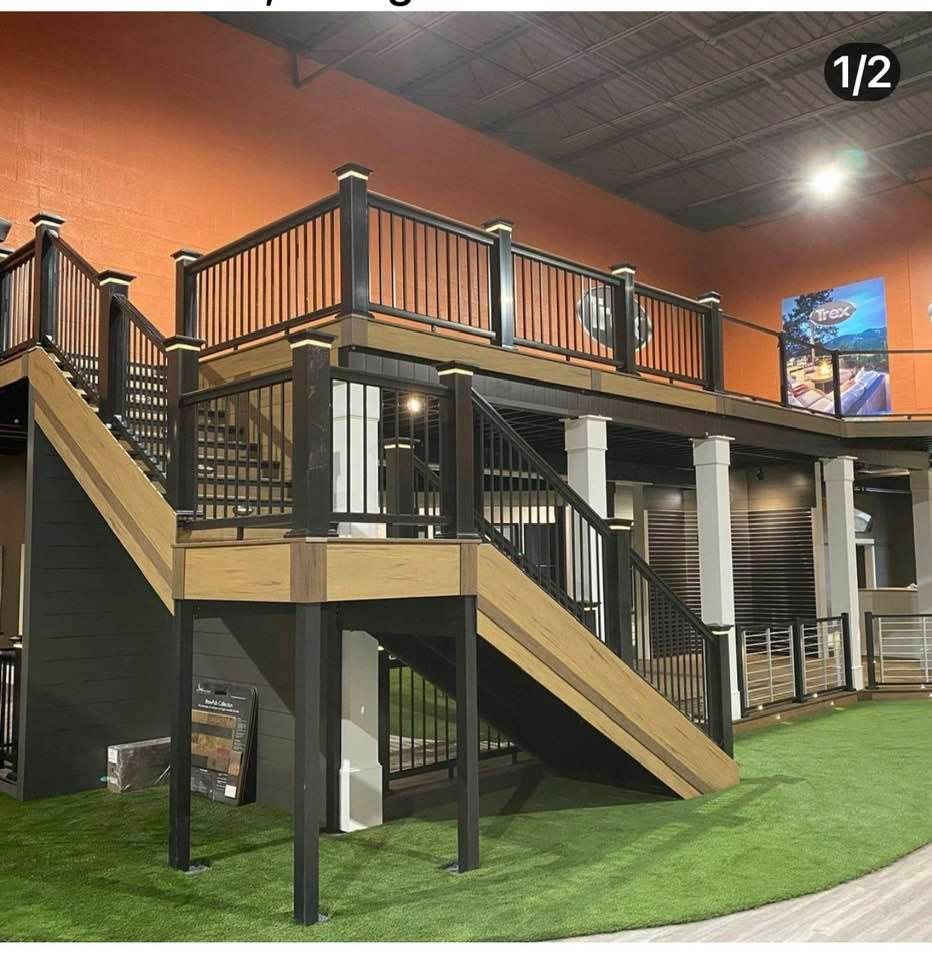
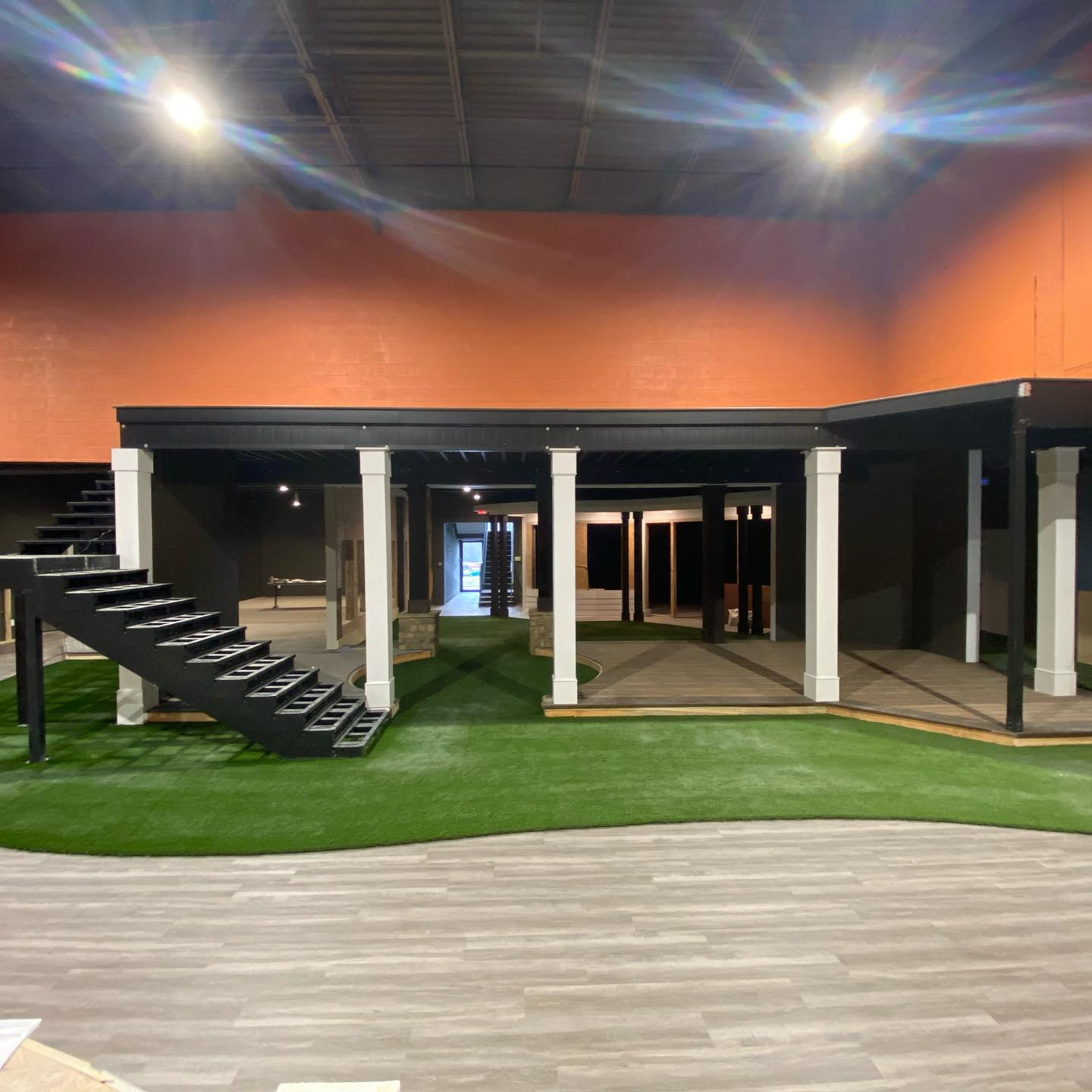
An Evolution framing display can be a fairly large product display. It can be assembled as a display in store or on the yard if the customer has space or is willing to consider it. This should be a consideration especially for an existing customer if they have no display.
- Ask about current space and how much they could lend towards putting a display of the product out.
Be aware they will likely state that they have nowhere to put it. Be sure you've looked around and have answer before starting this conversation. Alternatively, depending on how the conversation is going, you can partner with them to look for space. Asking them about products in potential display locations that are slow movers could allow you to be able to get a display put up.
Value Proposition - Make sure they understand our solution and what it offers
At some point whether initialized by you during your introduction or during the dialogue with the customer, you will be asked or need to state the value of the product to the customer and their customers. Once this exchange begins, you can follow-up with asking some of your own questions.
- If the customer feels the cost of the product is high, ask them how much do they write off in wood or deal with customers complaining about cull wood product? (Depending on your margin, steel is naturally an upgraded material that will be less of a headache for everyone involved. quality of lumber going down is another reason)
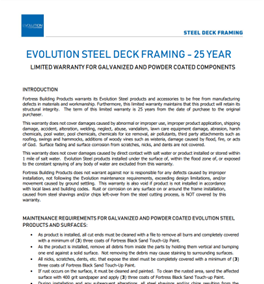
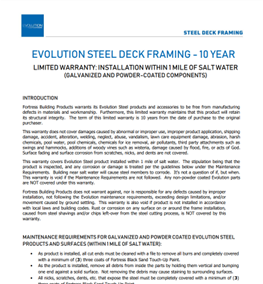
- Does wood come with a warranty? 25 year warranty (unless within a mile of saltwater)
- They may ask you: Well, how do I sell it? (This product installs like wood, contractors after their first job will start saving time using our system. Typically once they have experienced it they get hooked on building decks with steel. Try not to get into the details of training that we offer; until they are clearly interested in the product or clearly the opportunity is there to make the sale.)
Answering the Qualifying Basic Items
Remember that the goal here is to properly qualify the customer. Be sure to make certain your answering proper internal questions as the conversation unfolds. Understanding and listening to their needs and identifying that is important, however you need to be sure they will a good business partner as well.
- Is this an existing Fortress Building Products customer?
- Will the customer provide an acceptable level/range of margin or enough repeat business to make it worthwhile?
- Does the customer have a demonstrated propensity to purchase premium~high value building materials?
- Does the customer have good long term growth potential?
- Would they be willing to consider other Fortress products?
- Does the customer currently stock/install a competitive product?
- Does the customer perceive the Fortress Railing brand as superior to the competition?
- How much framing/decking/outdoor products are they really selling?
What to Show!
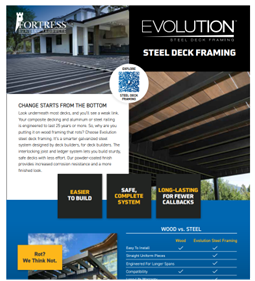
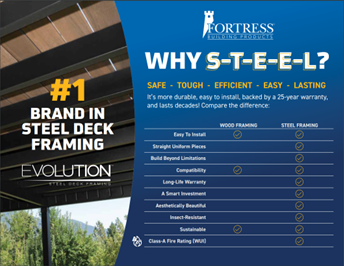
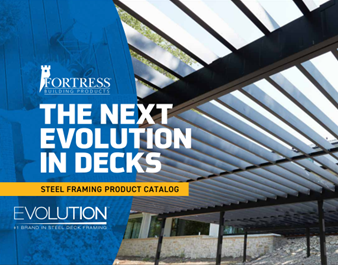
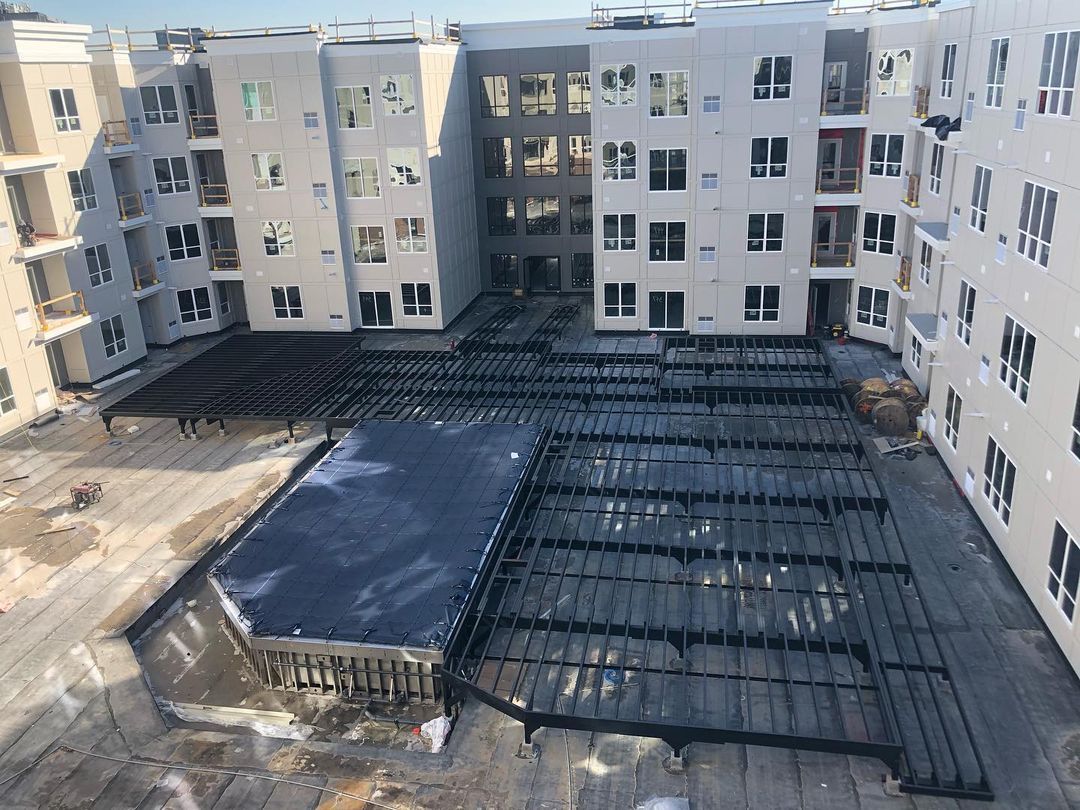
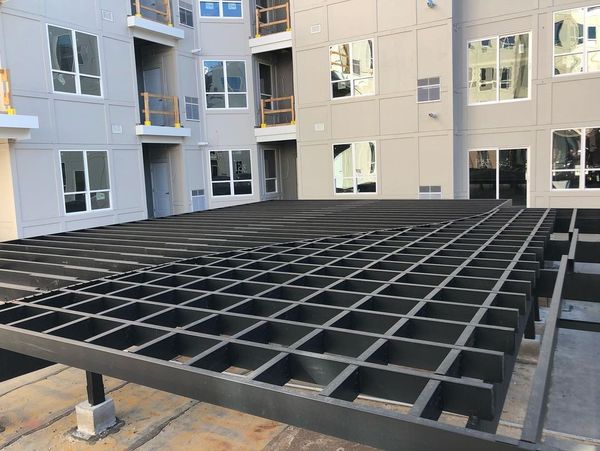
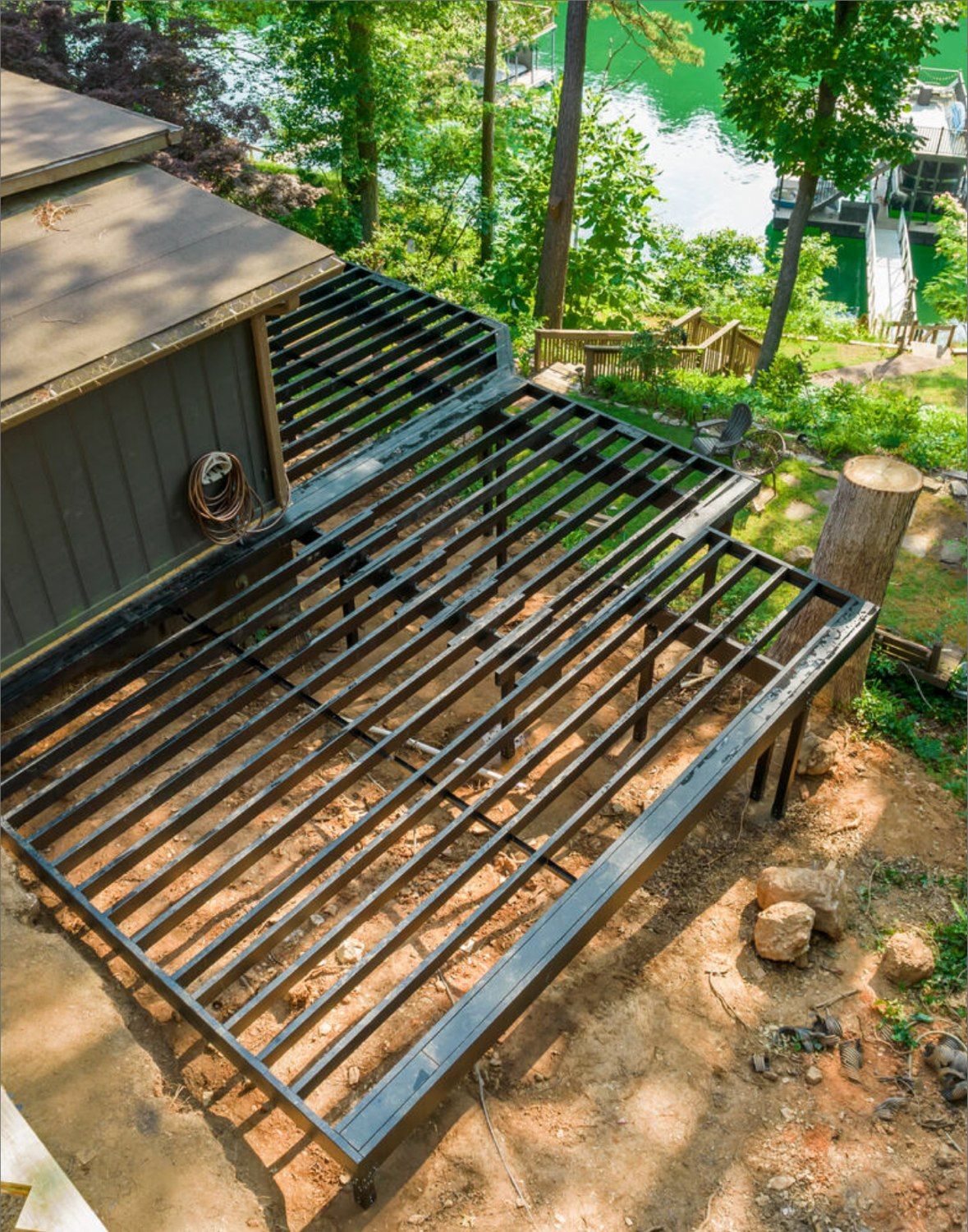
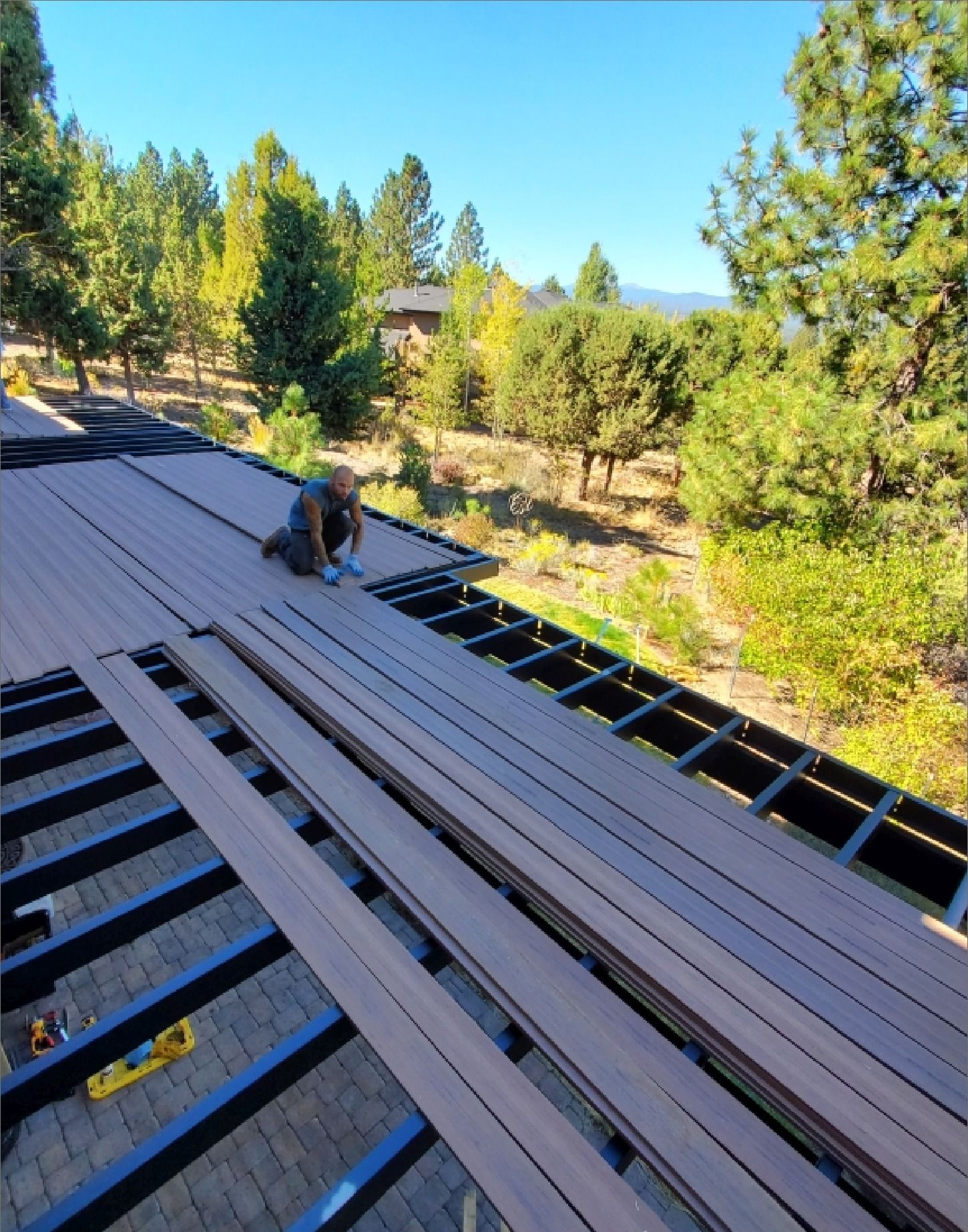
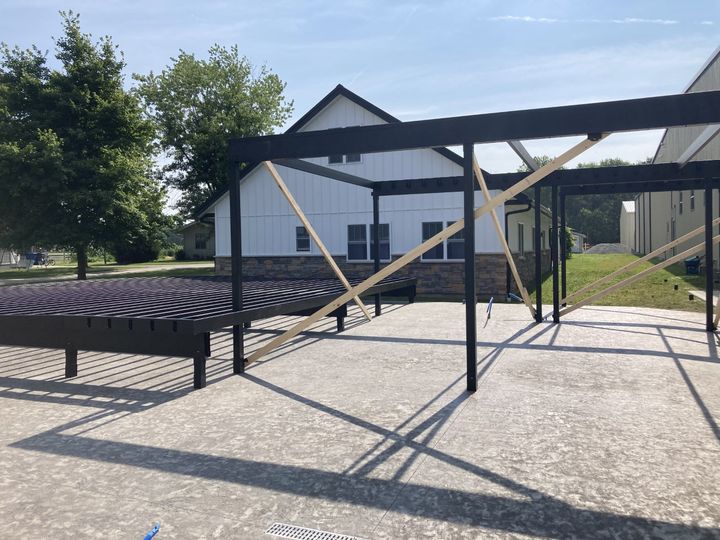
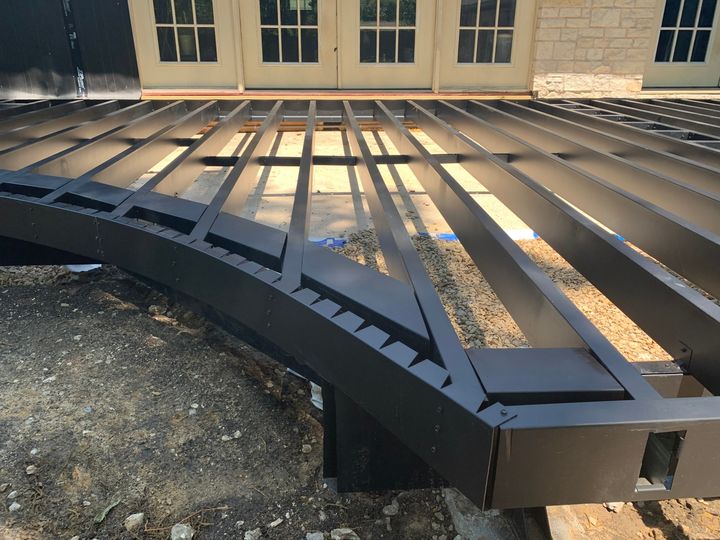
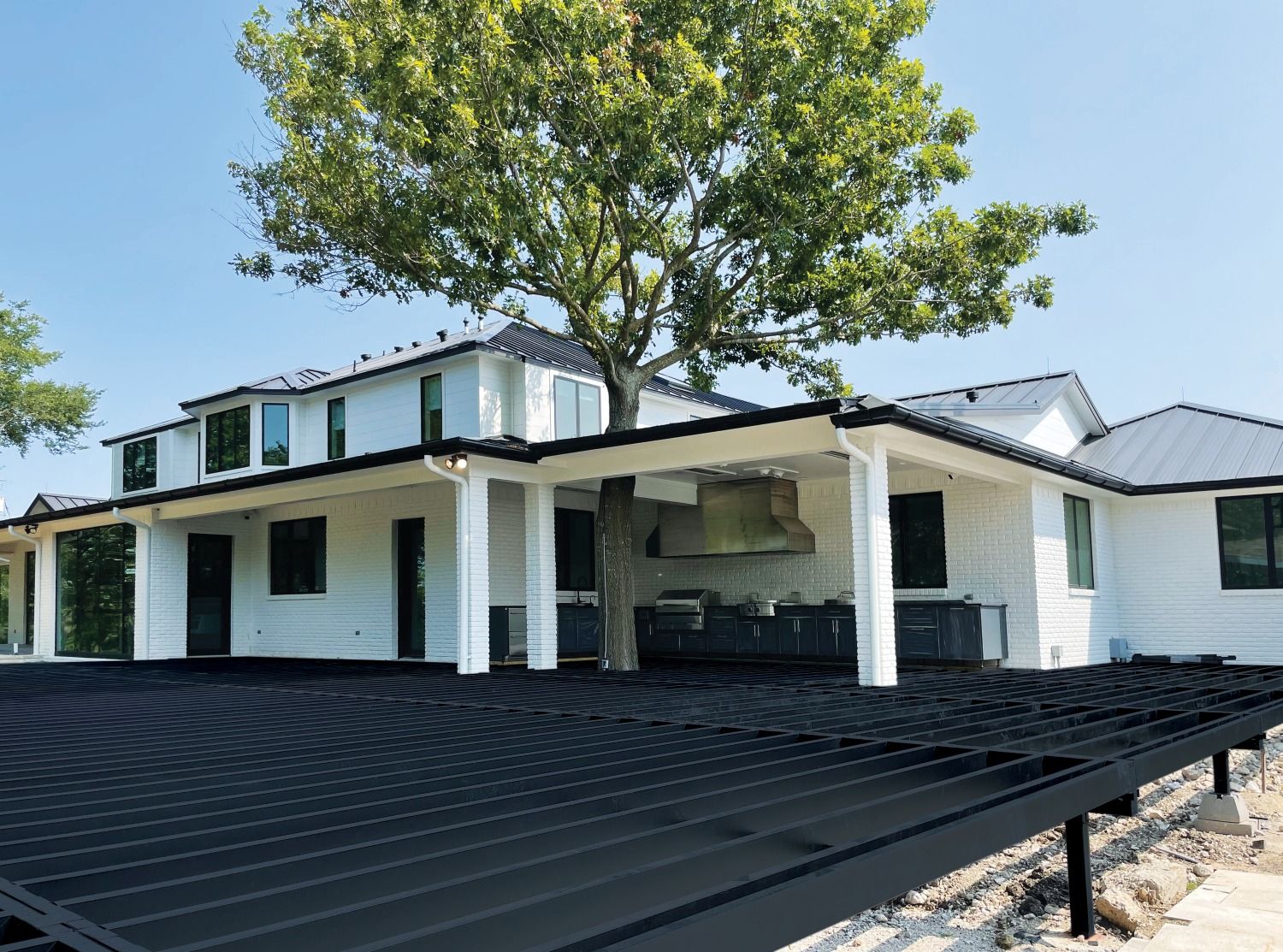
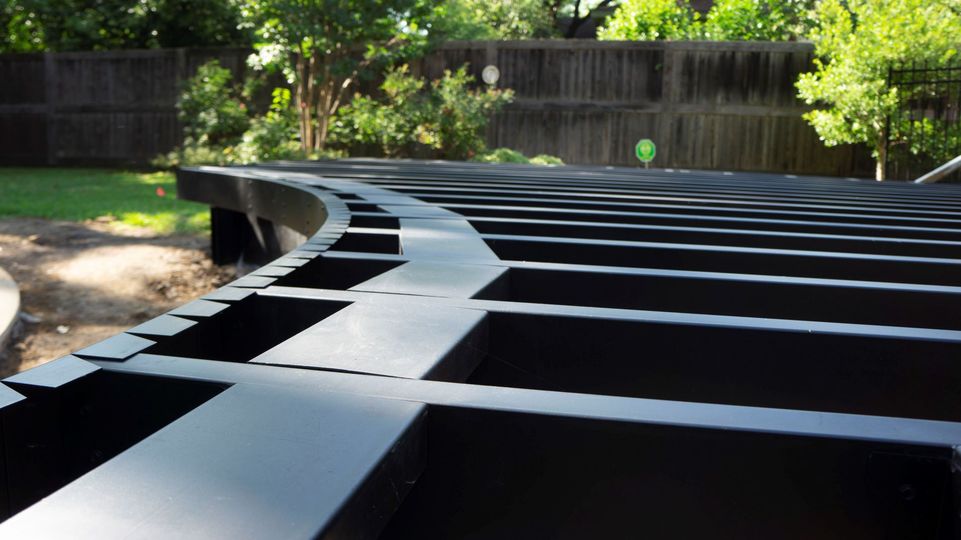
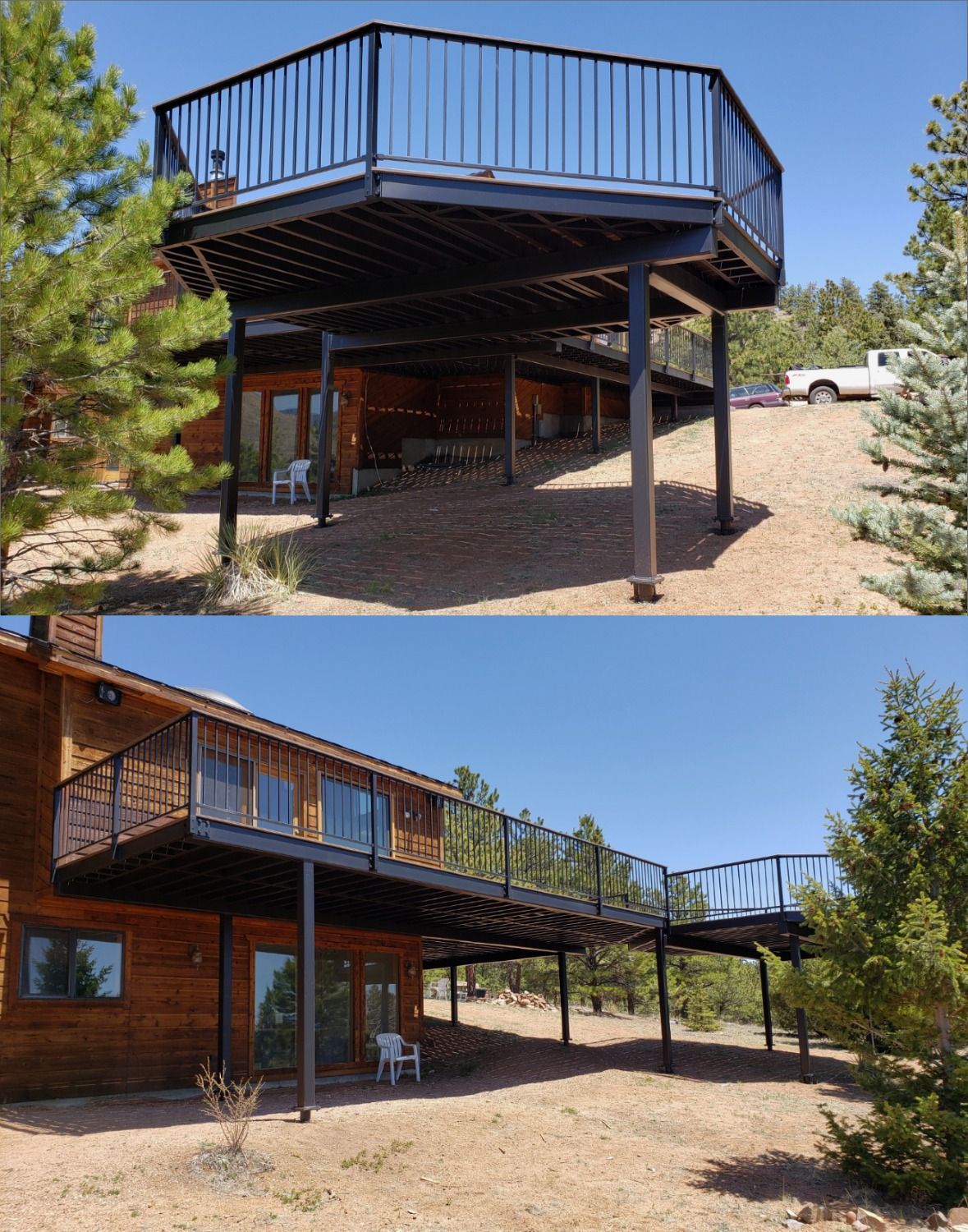
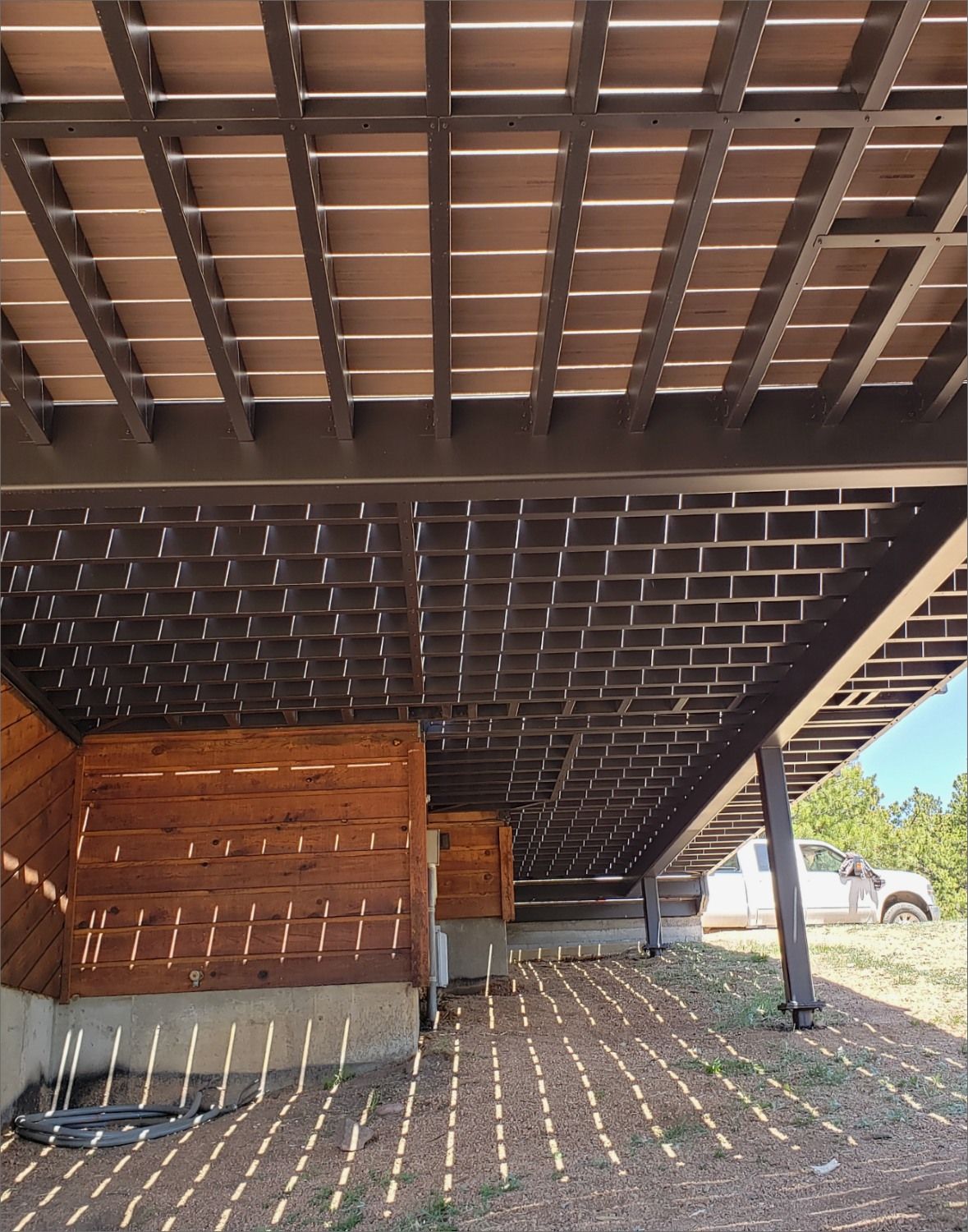
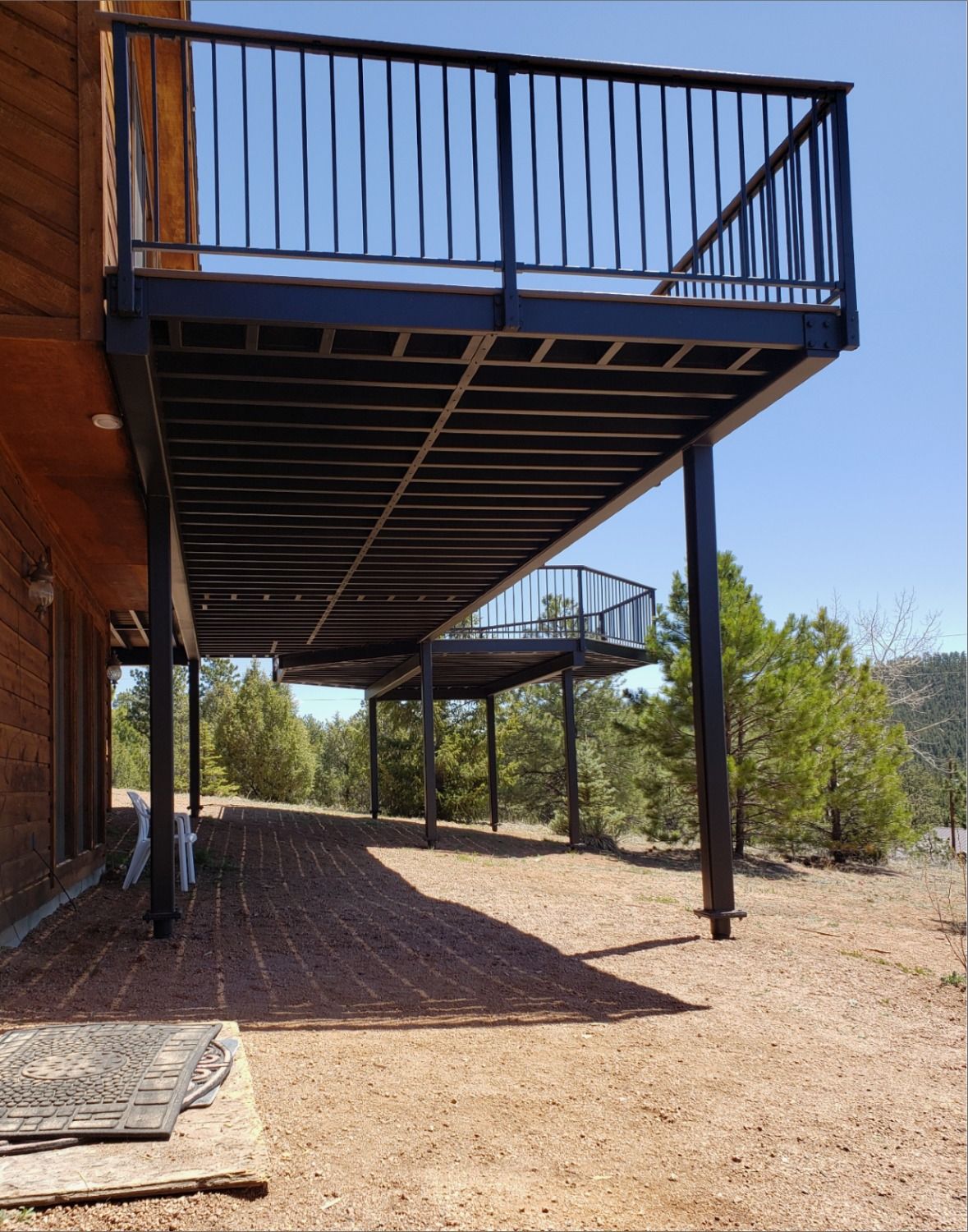
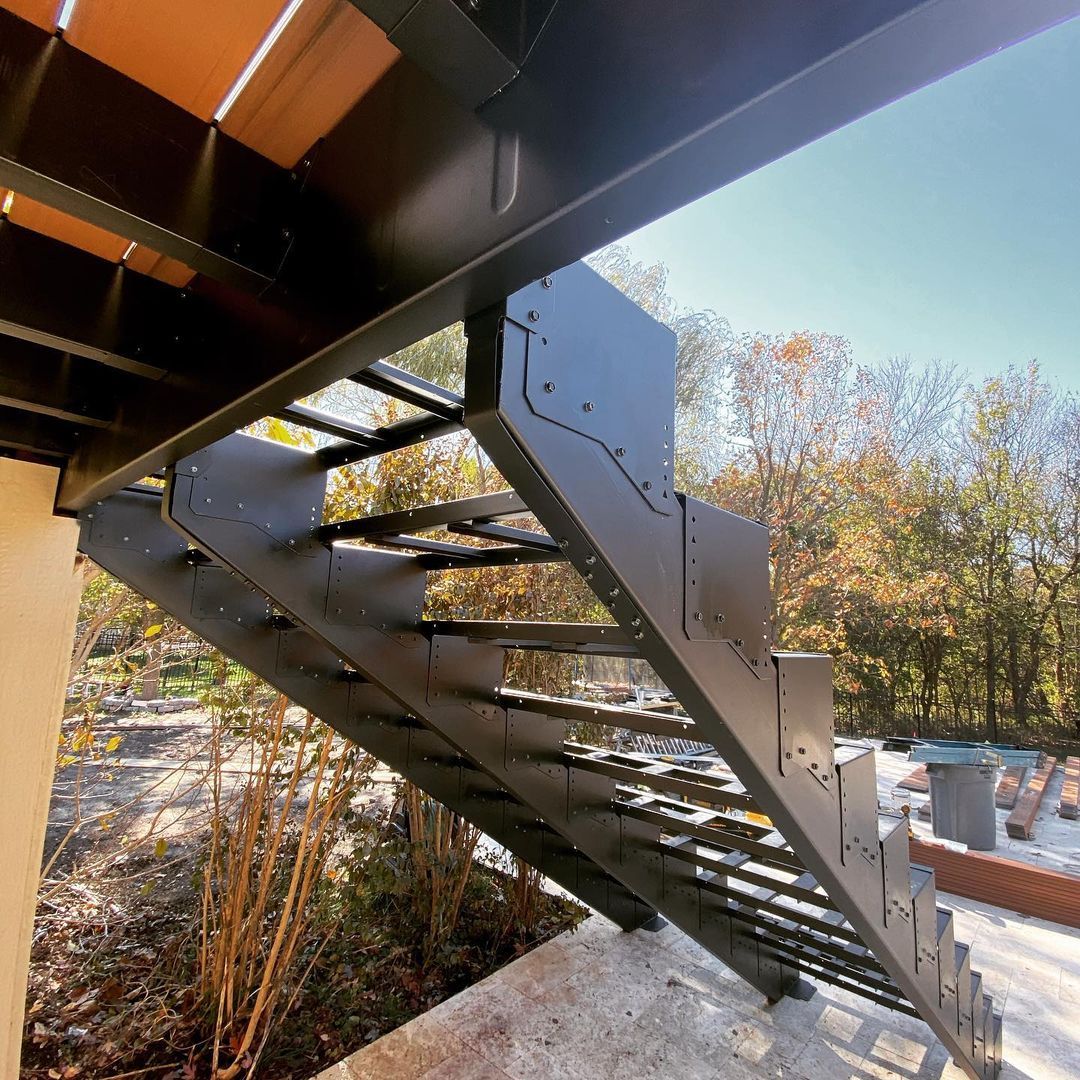
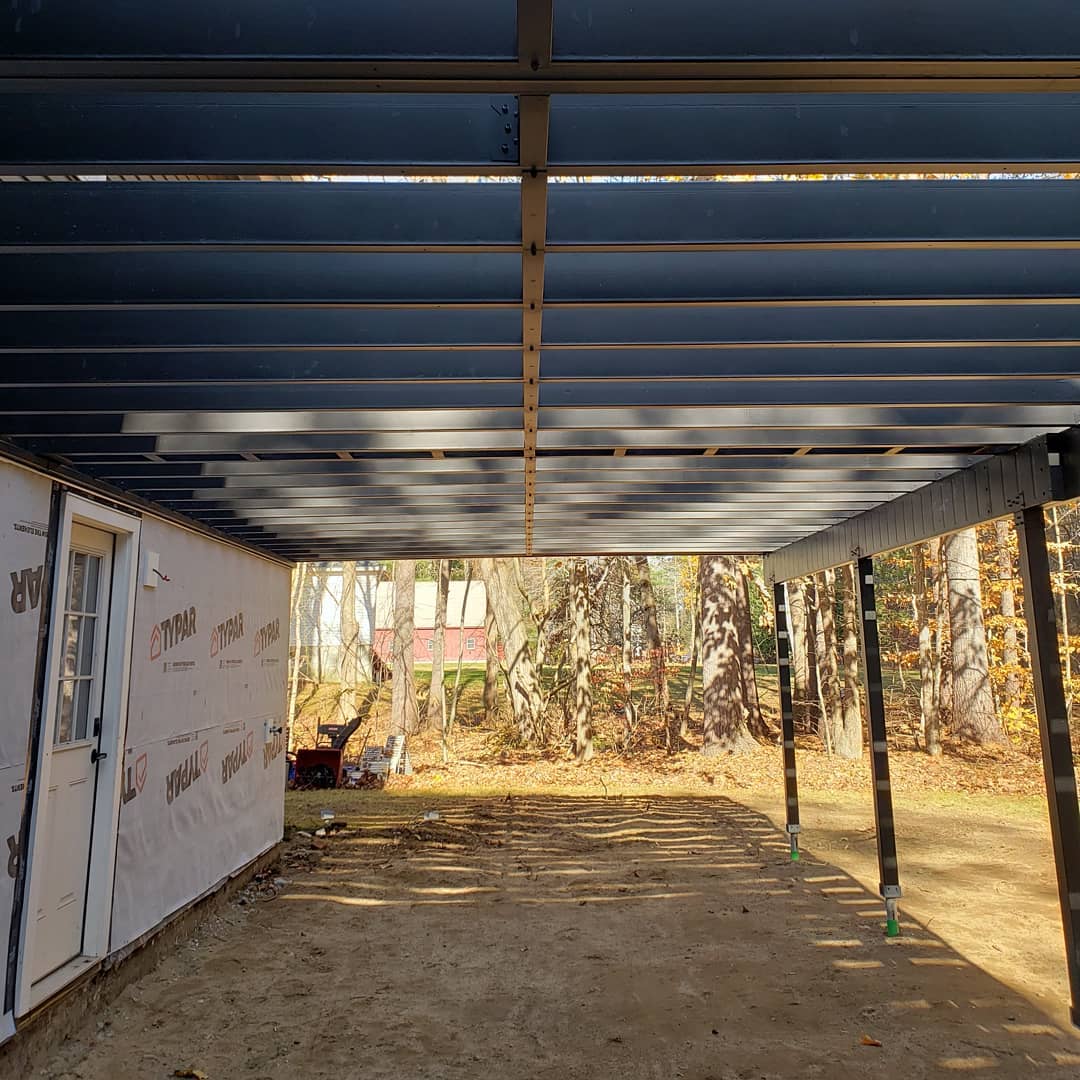
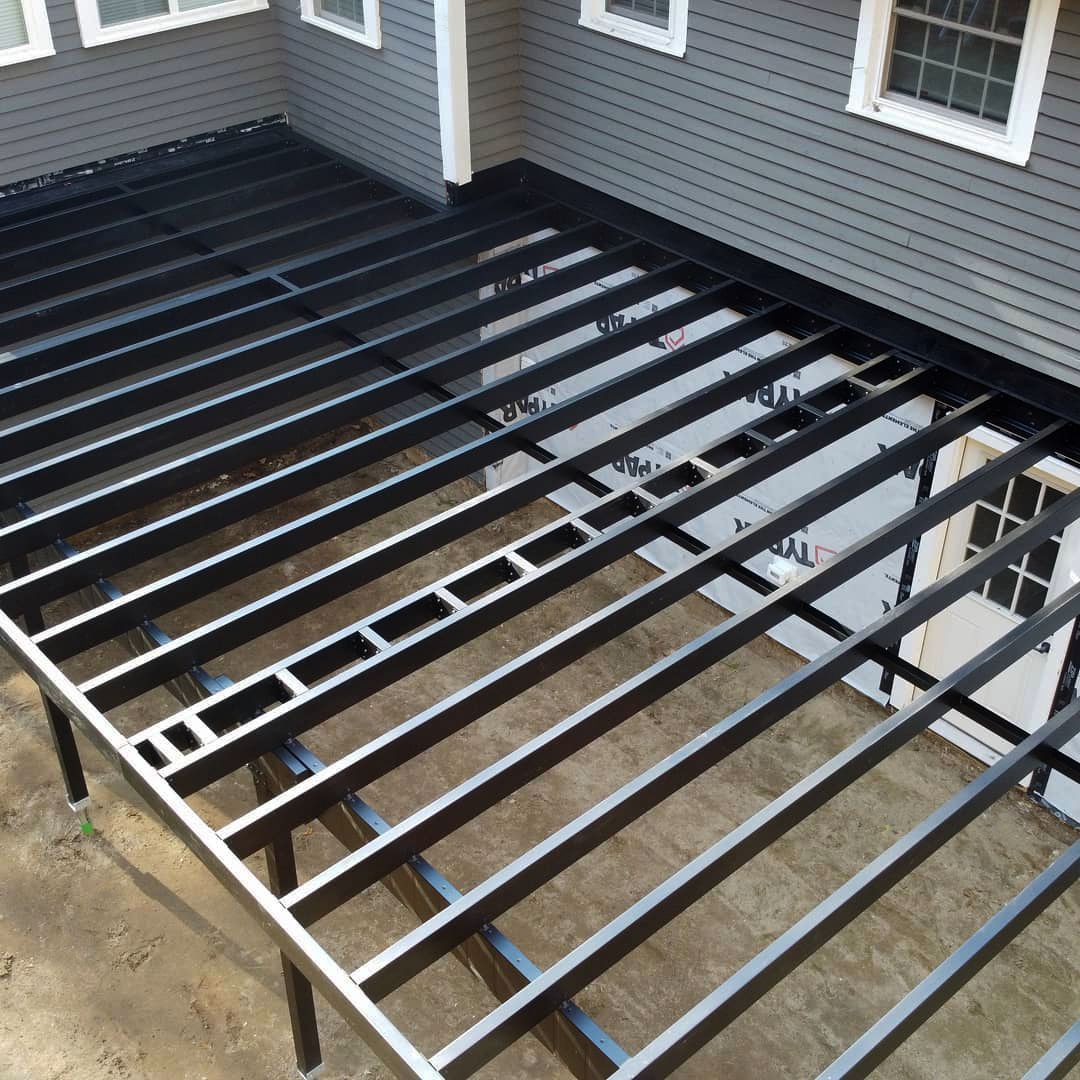
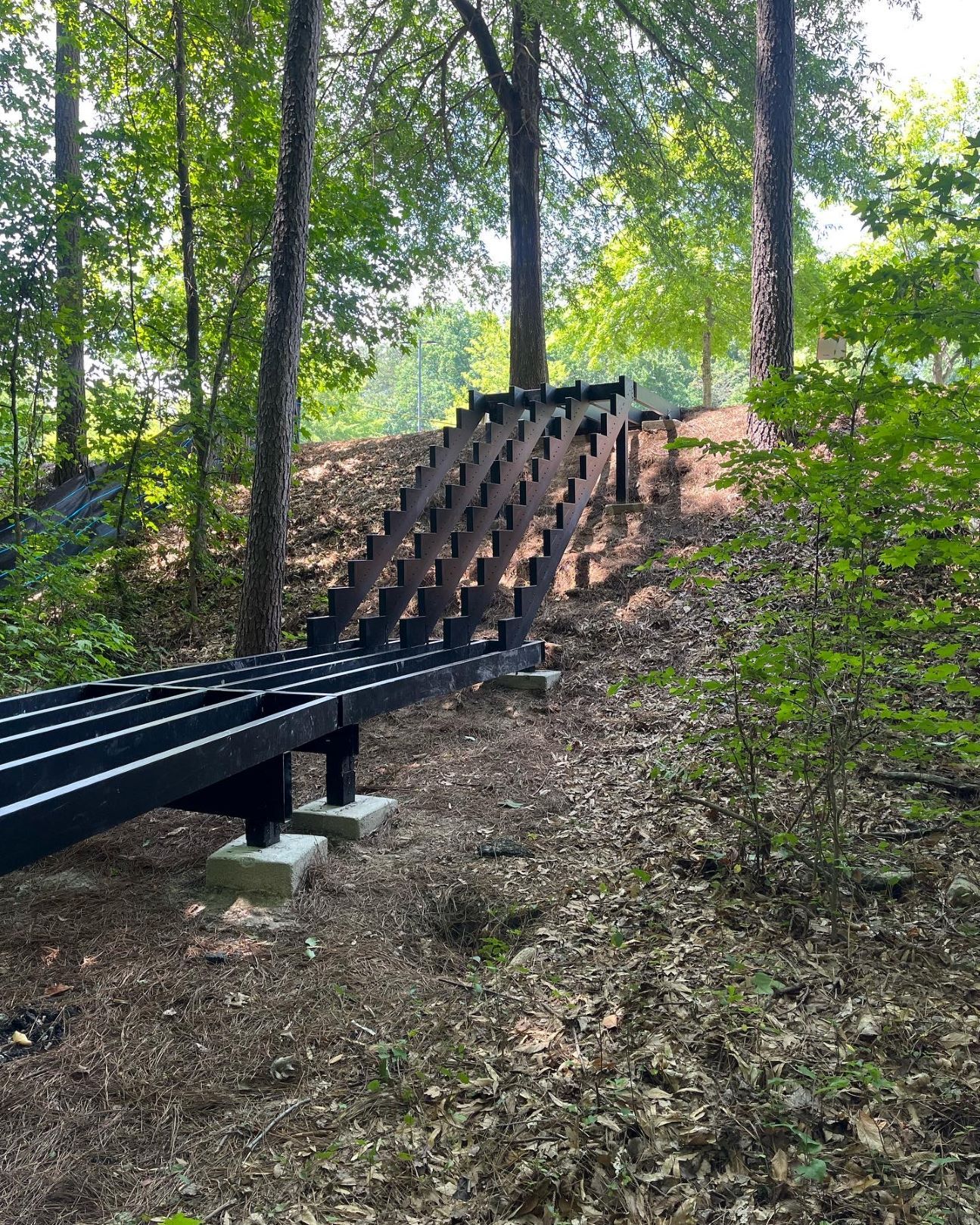
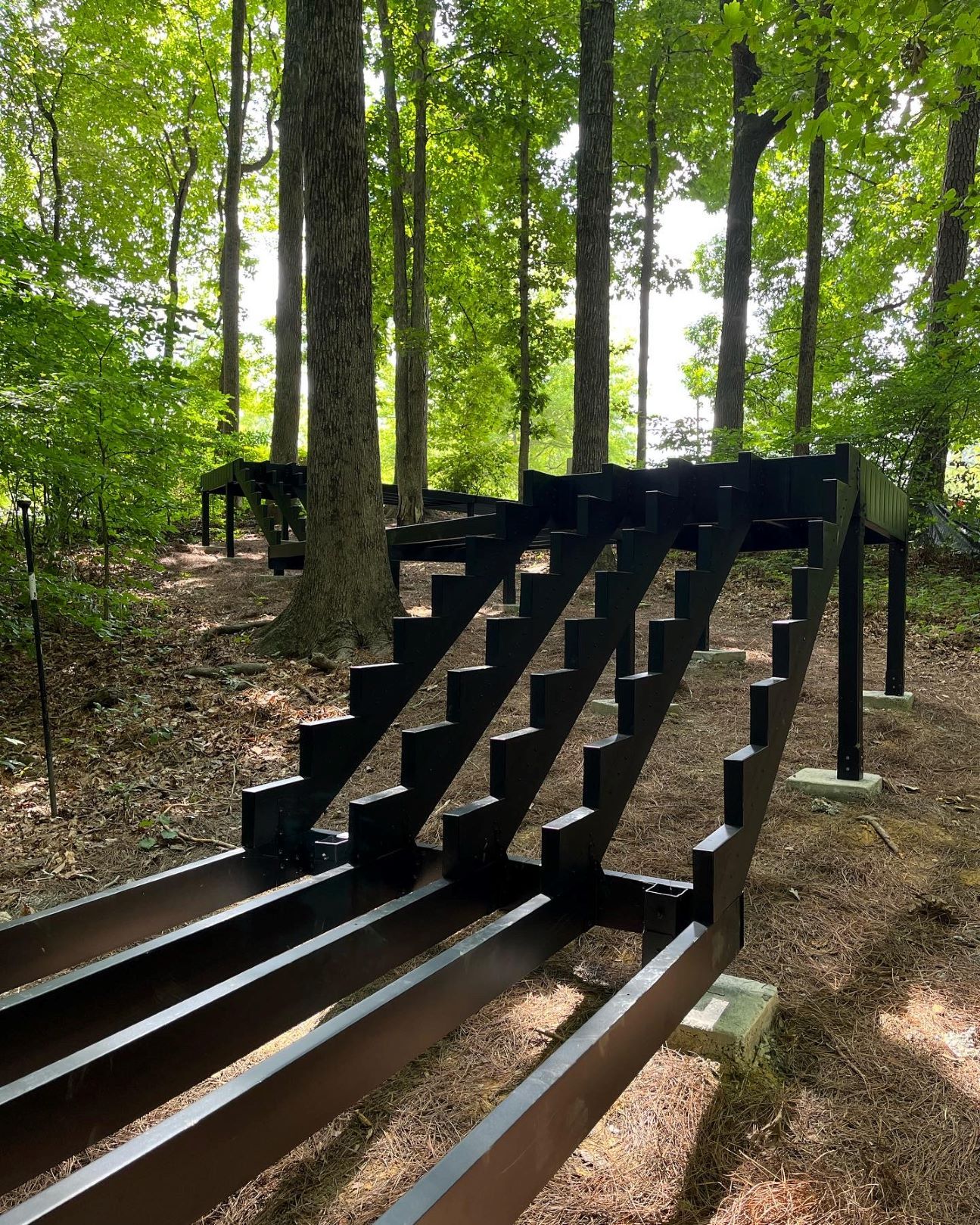
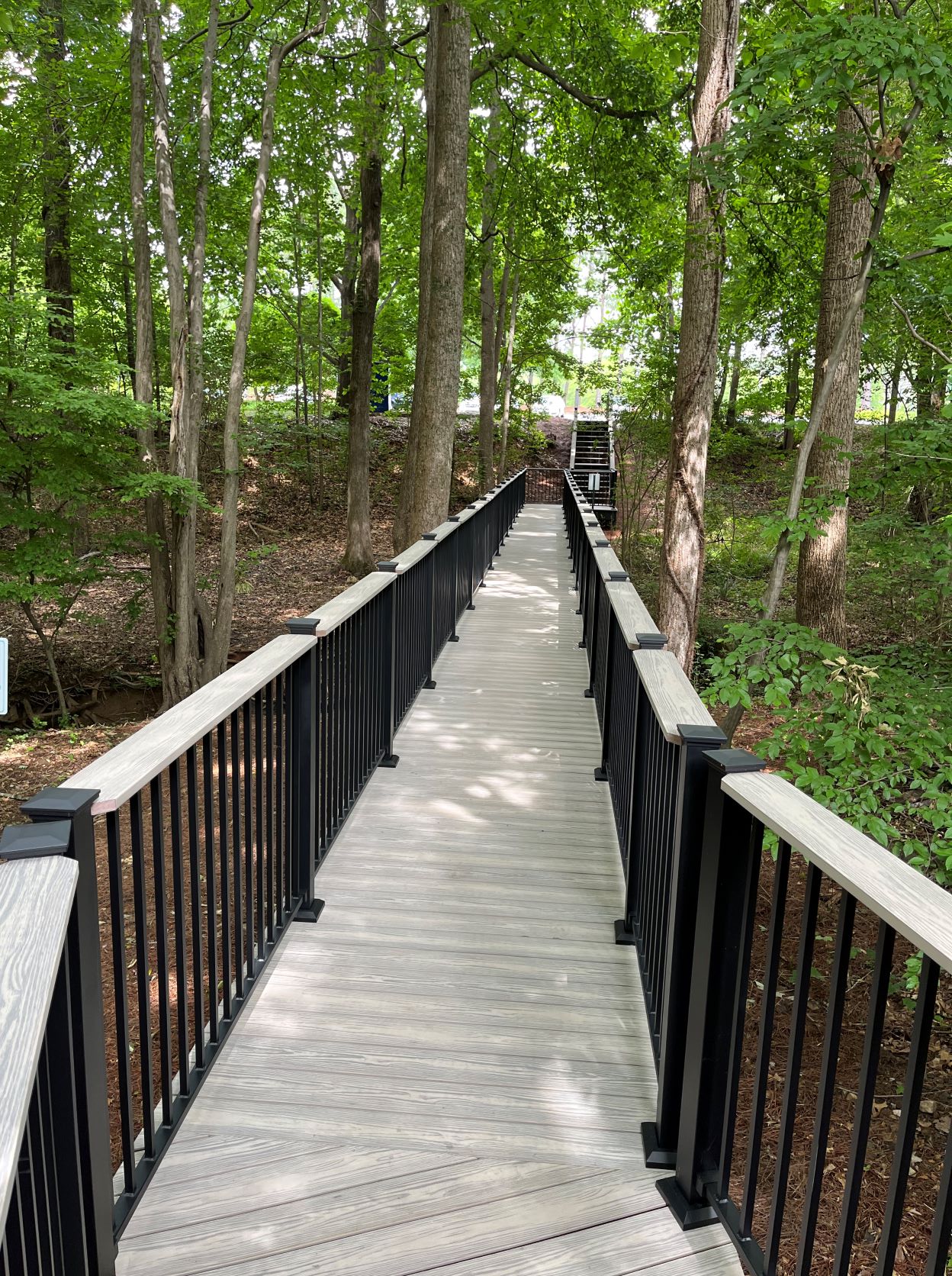
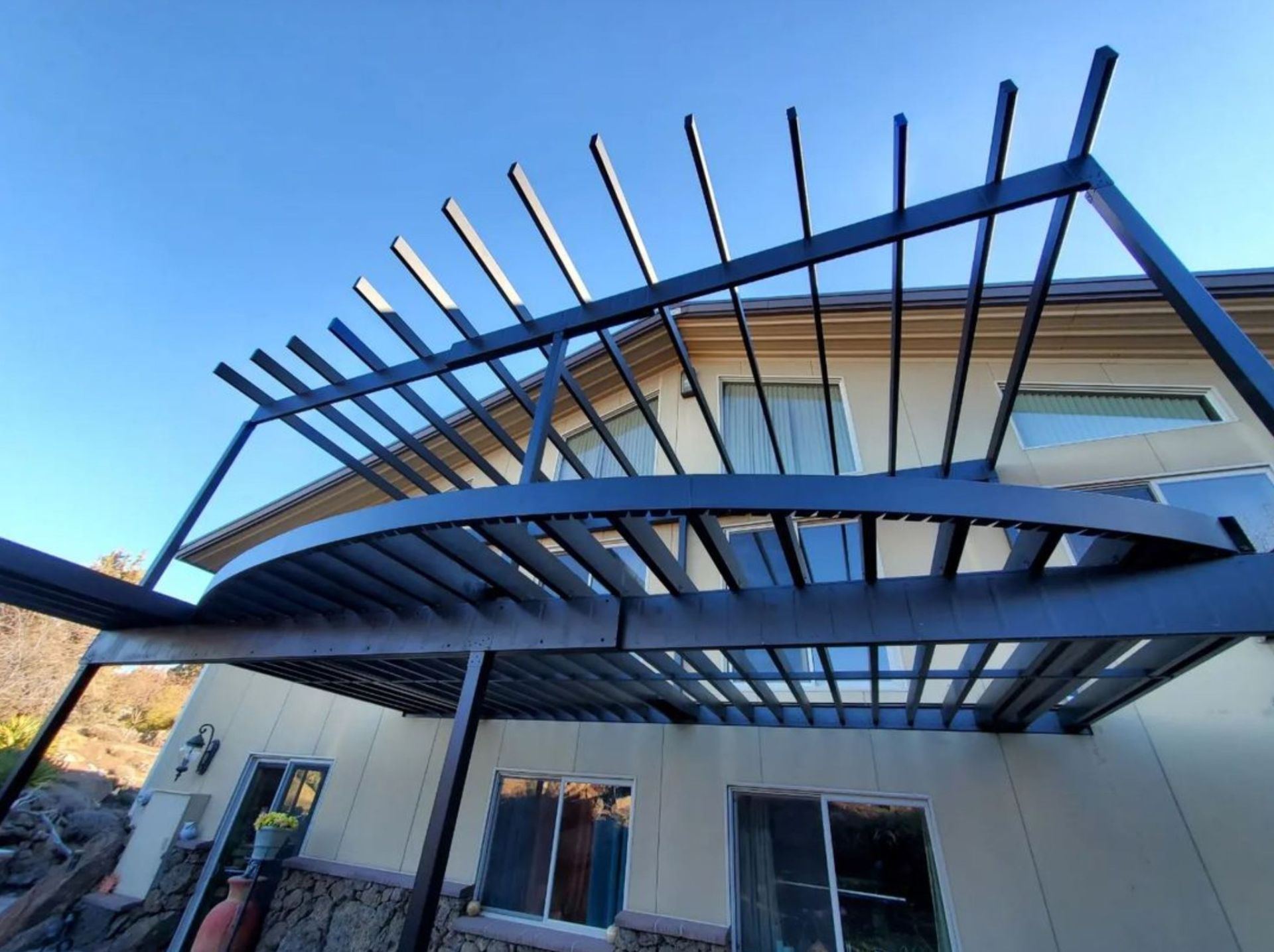
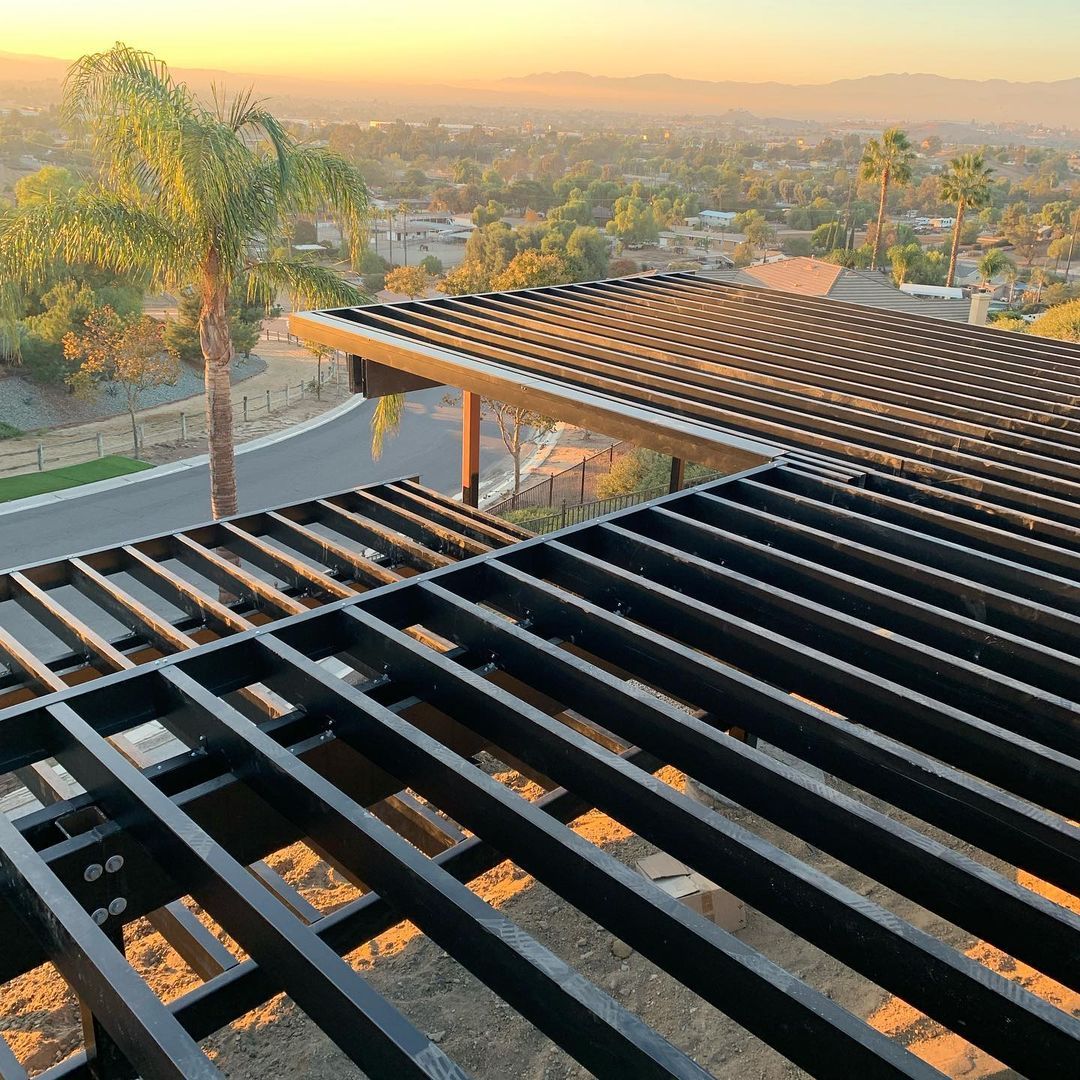
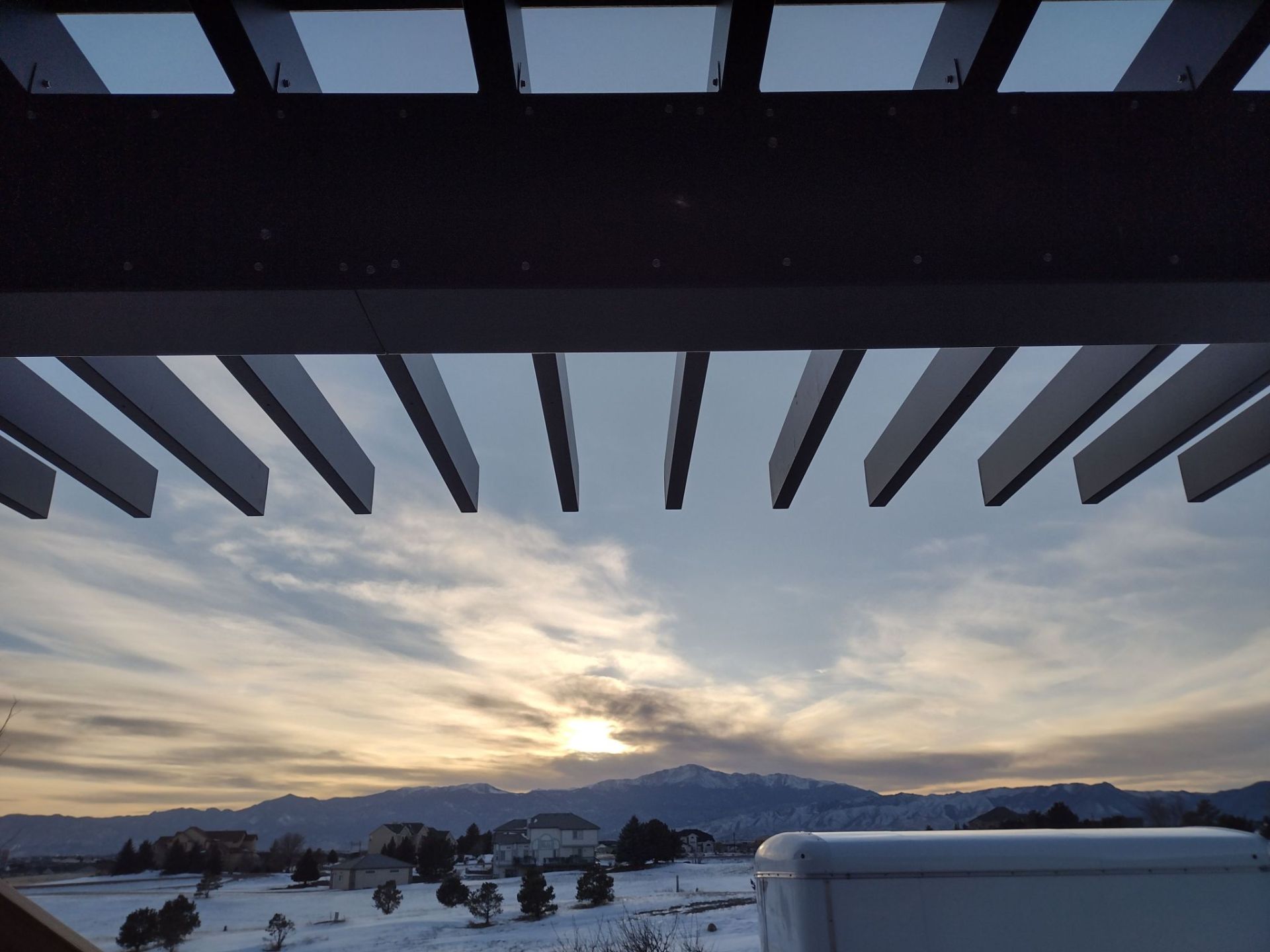
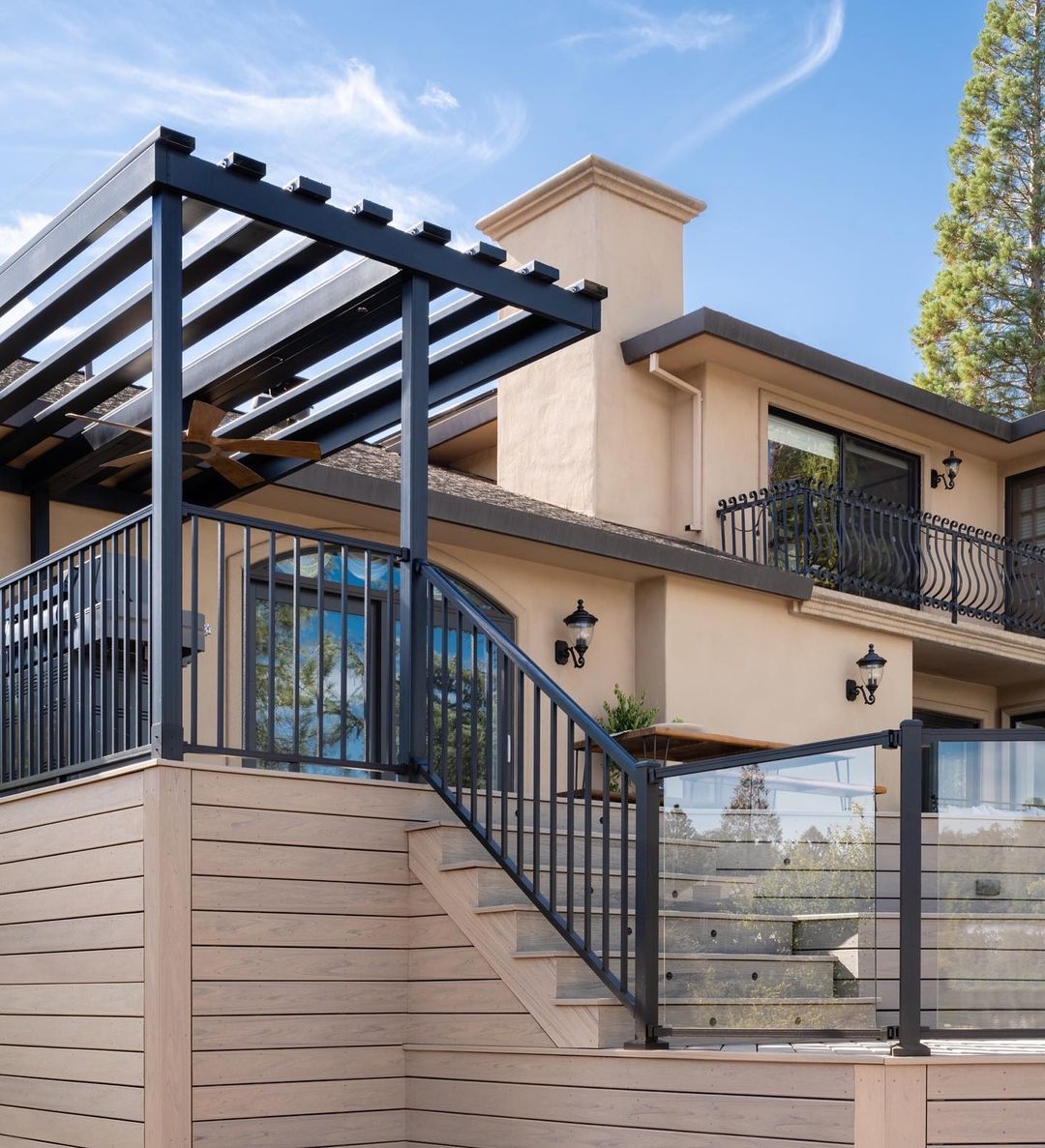
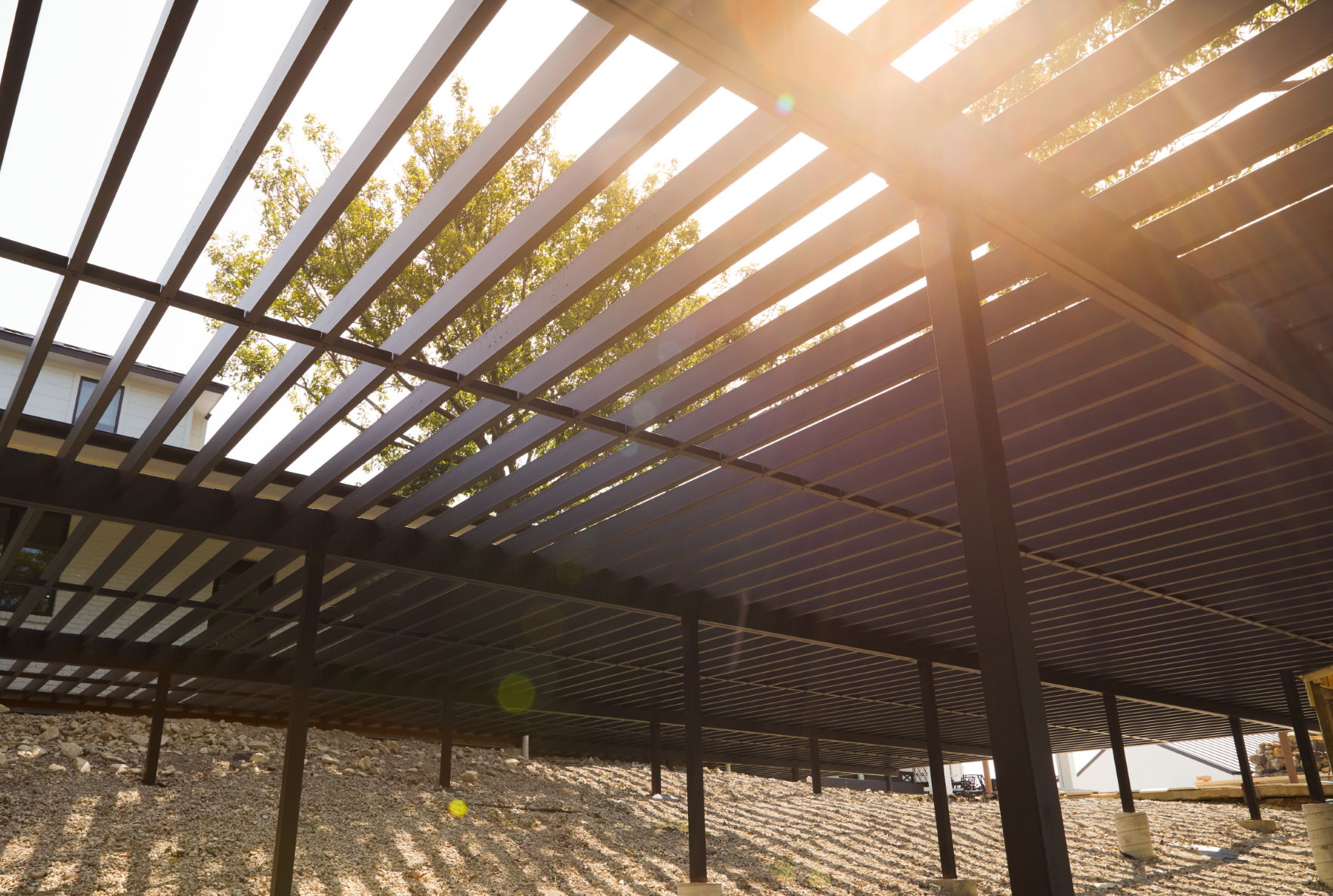
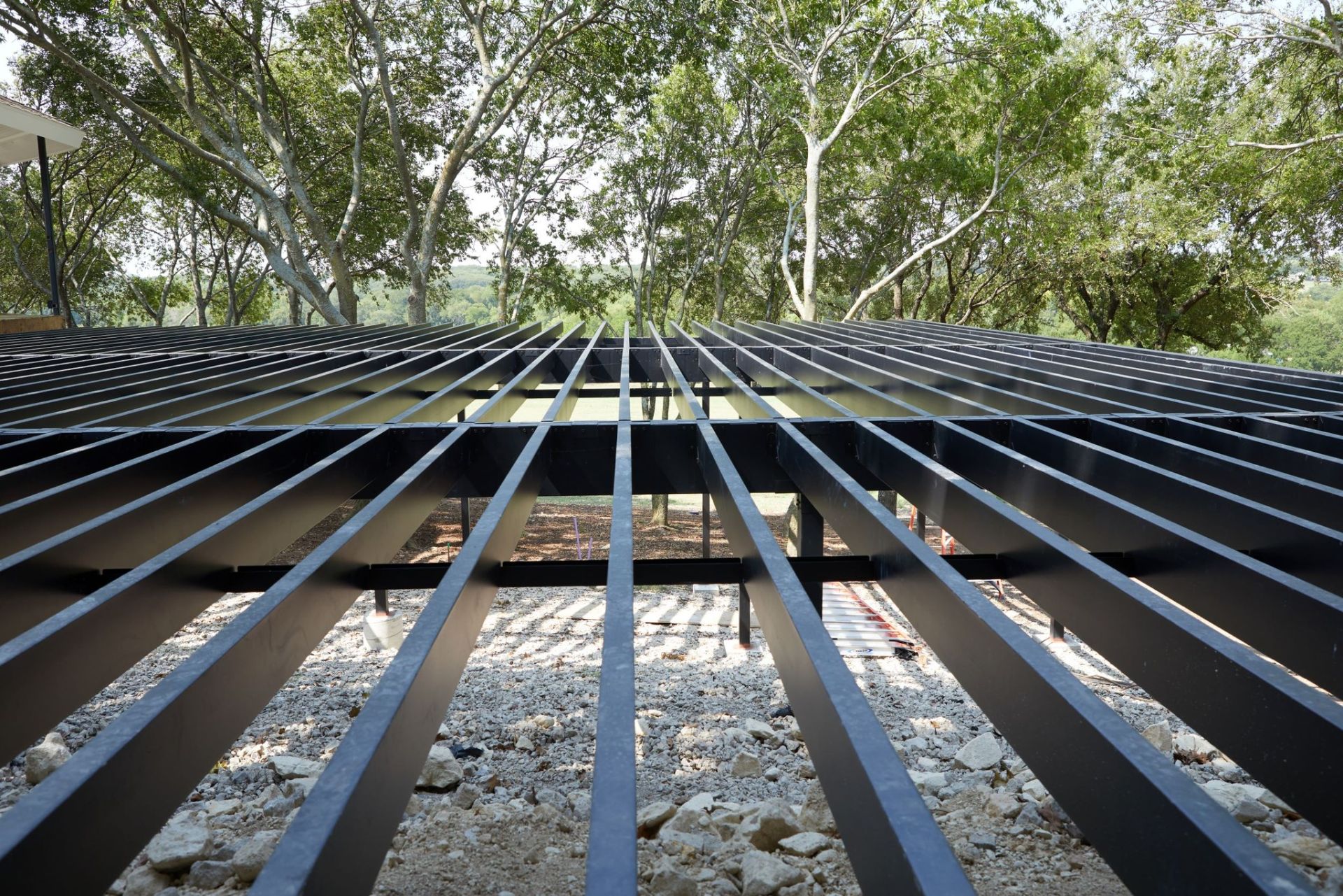
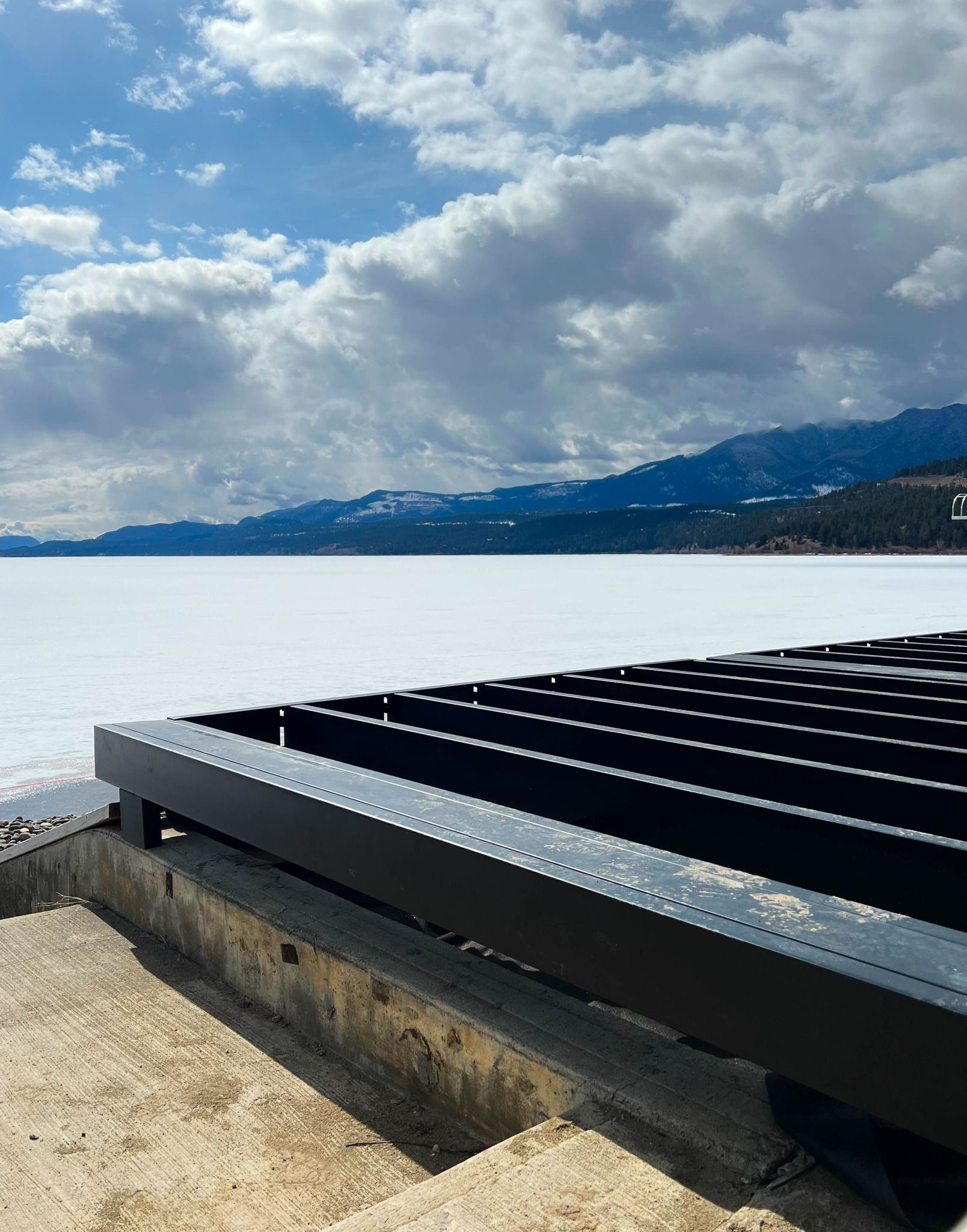
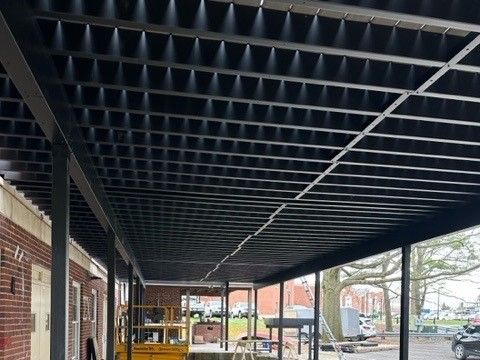
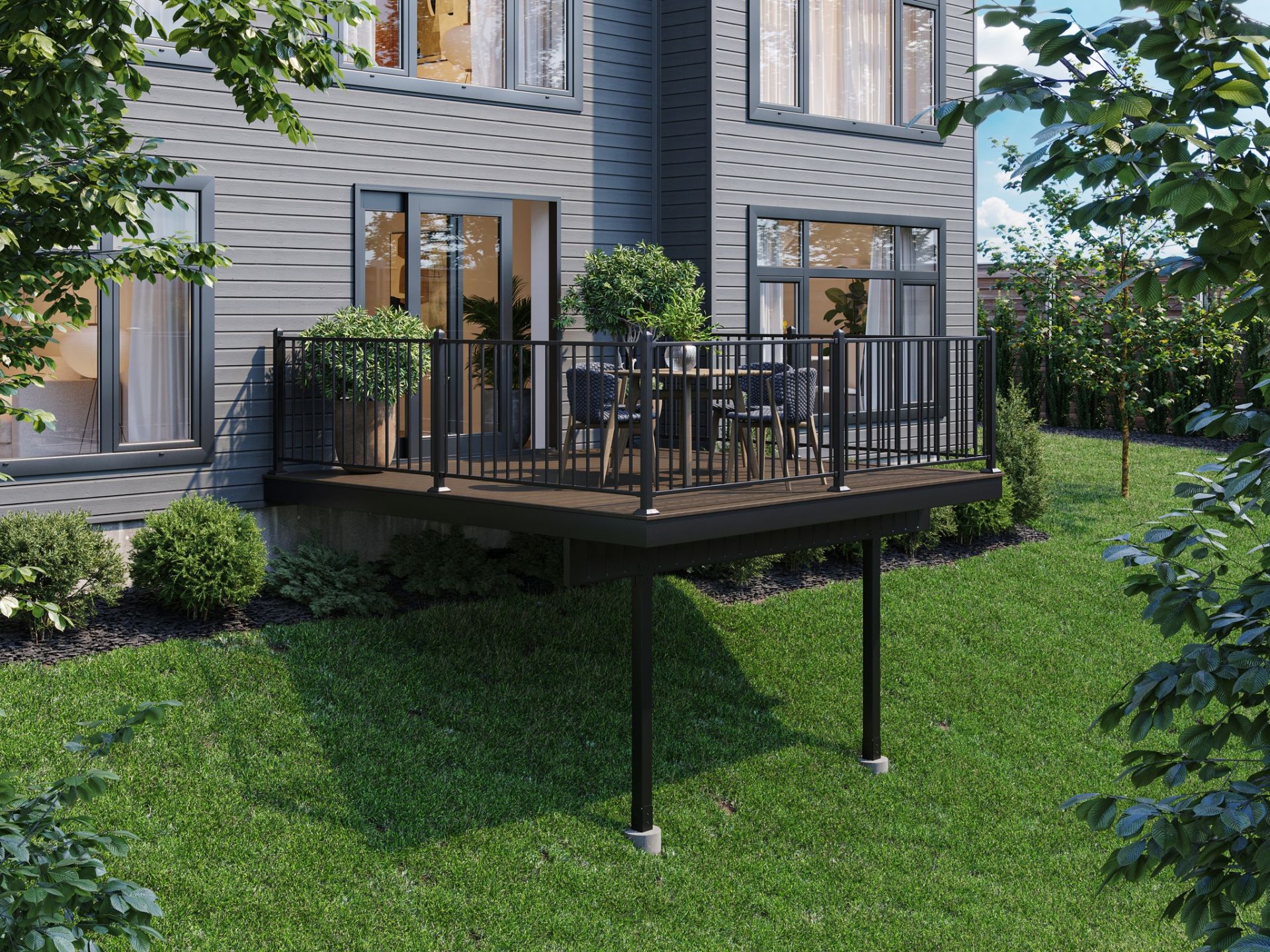
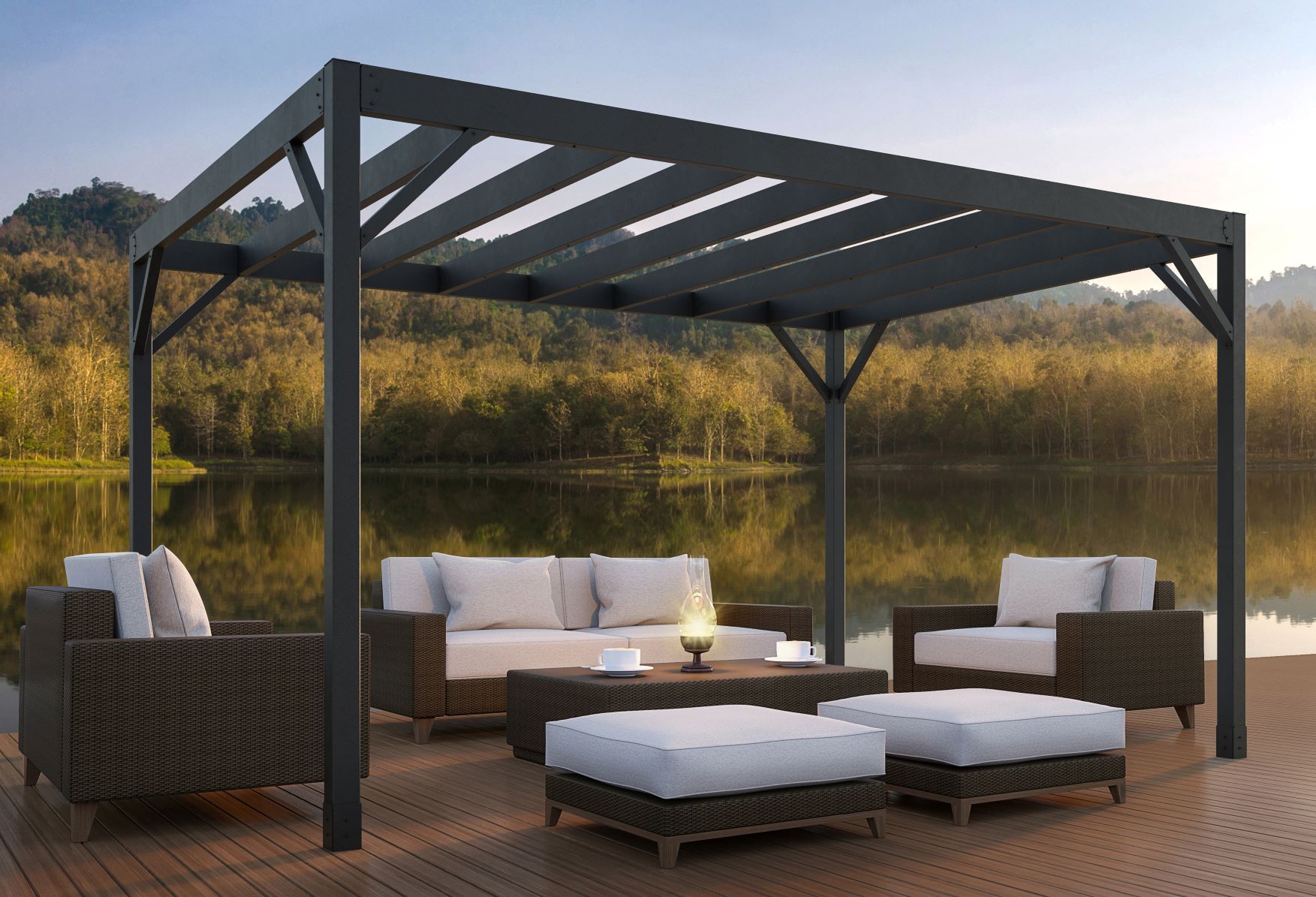
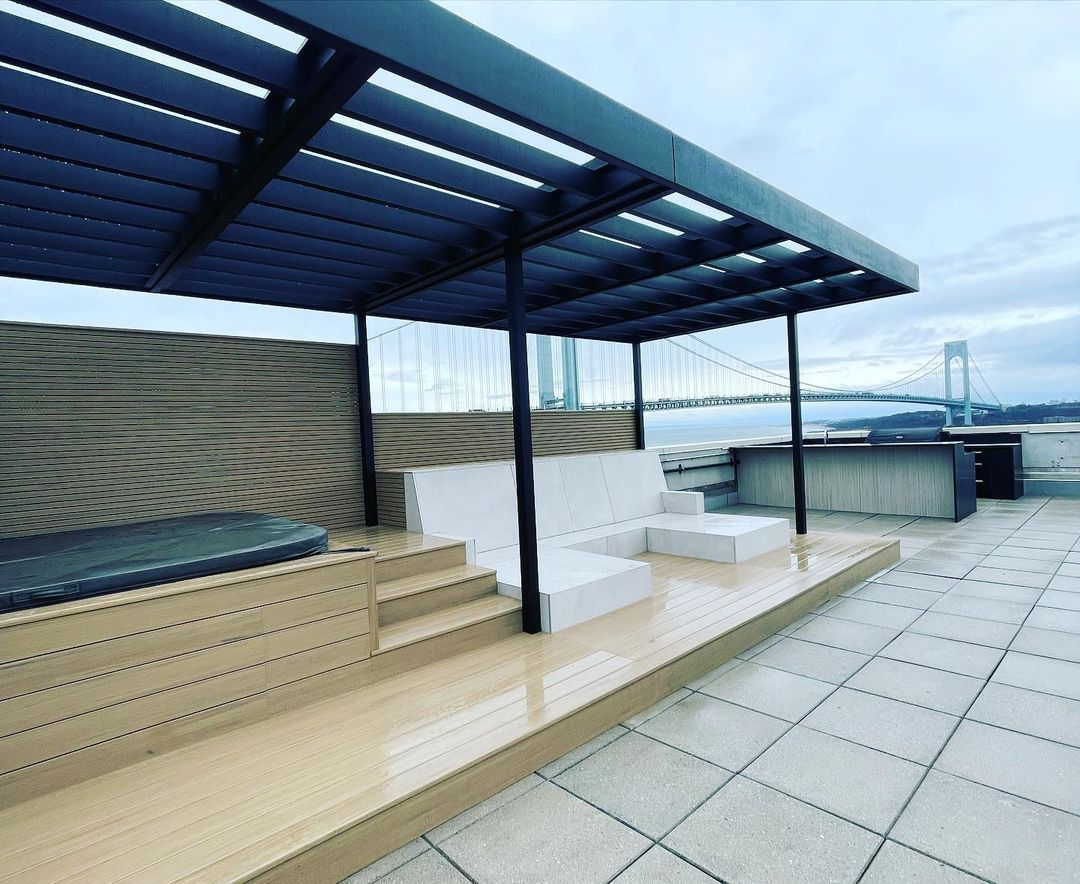
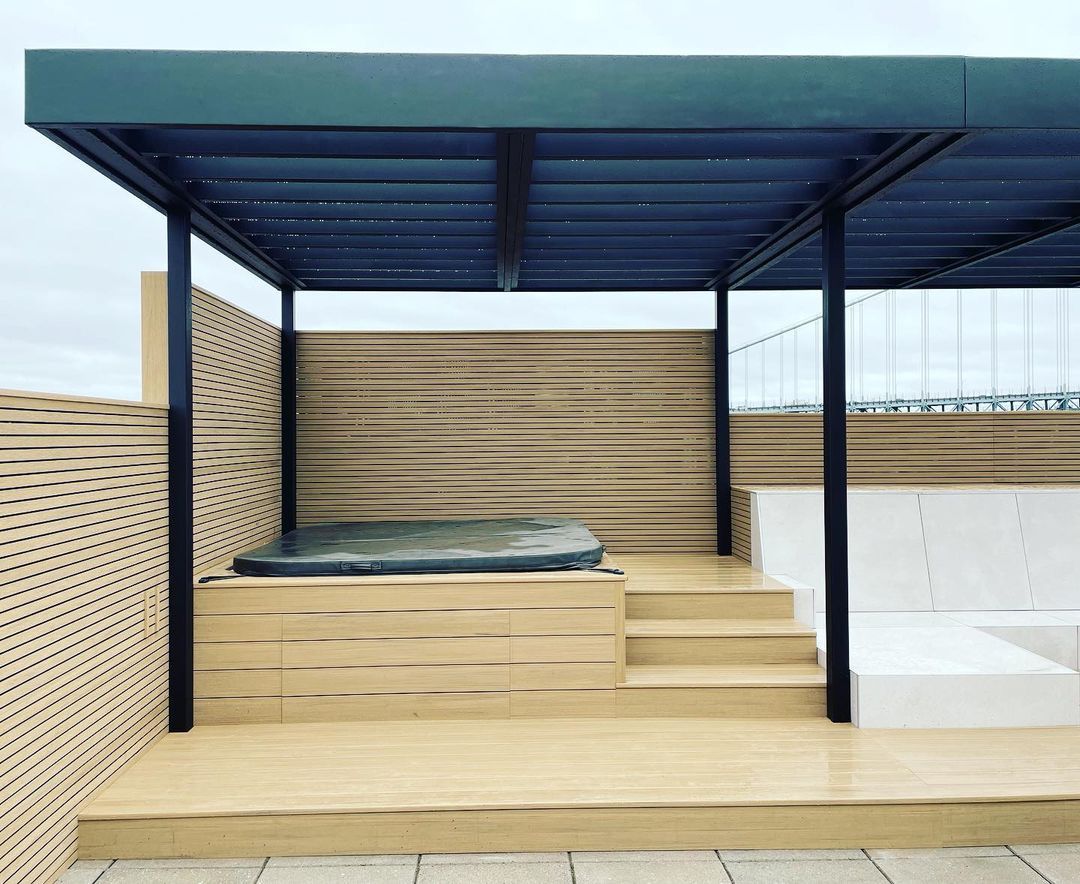
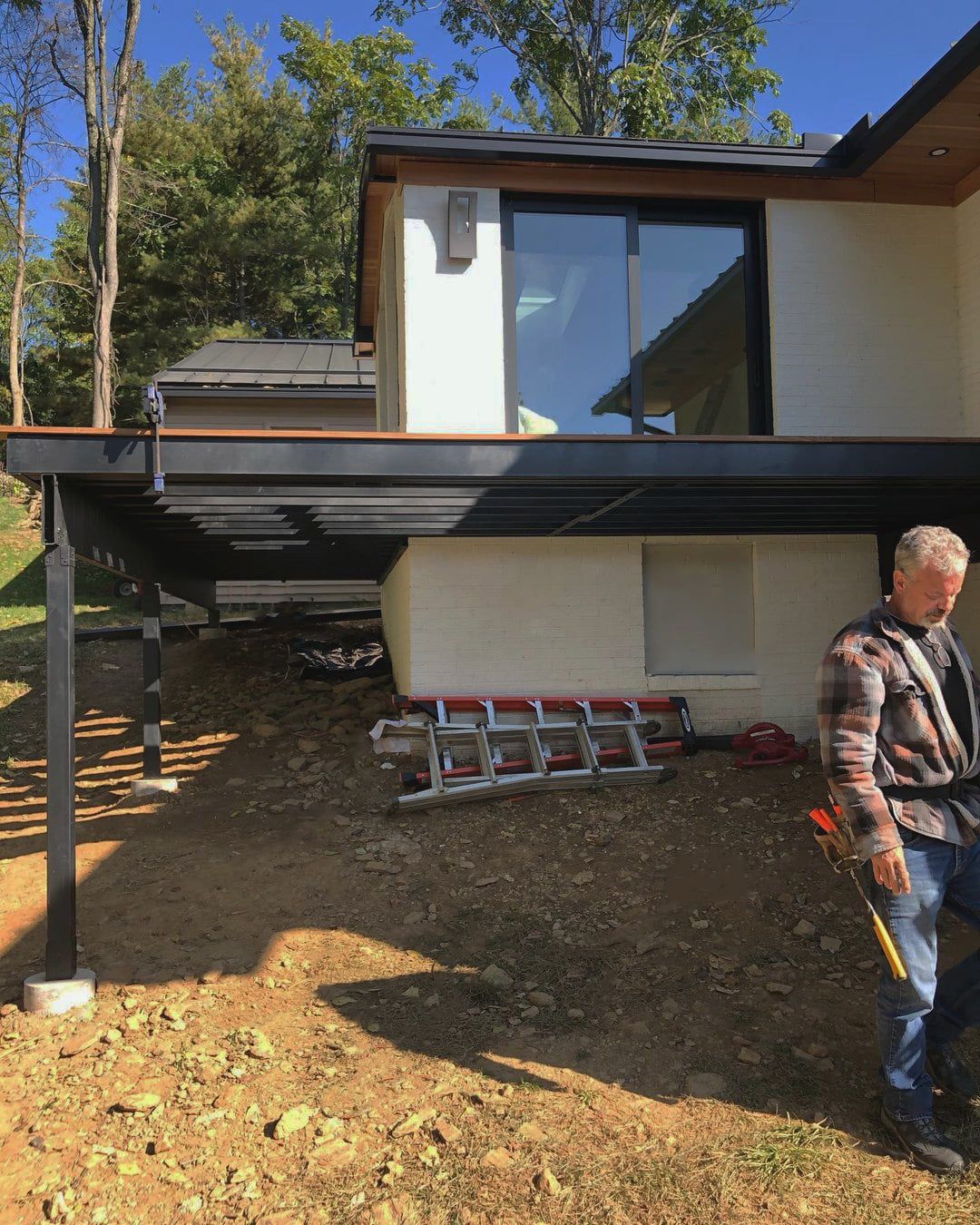
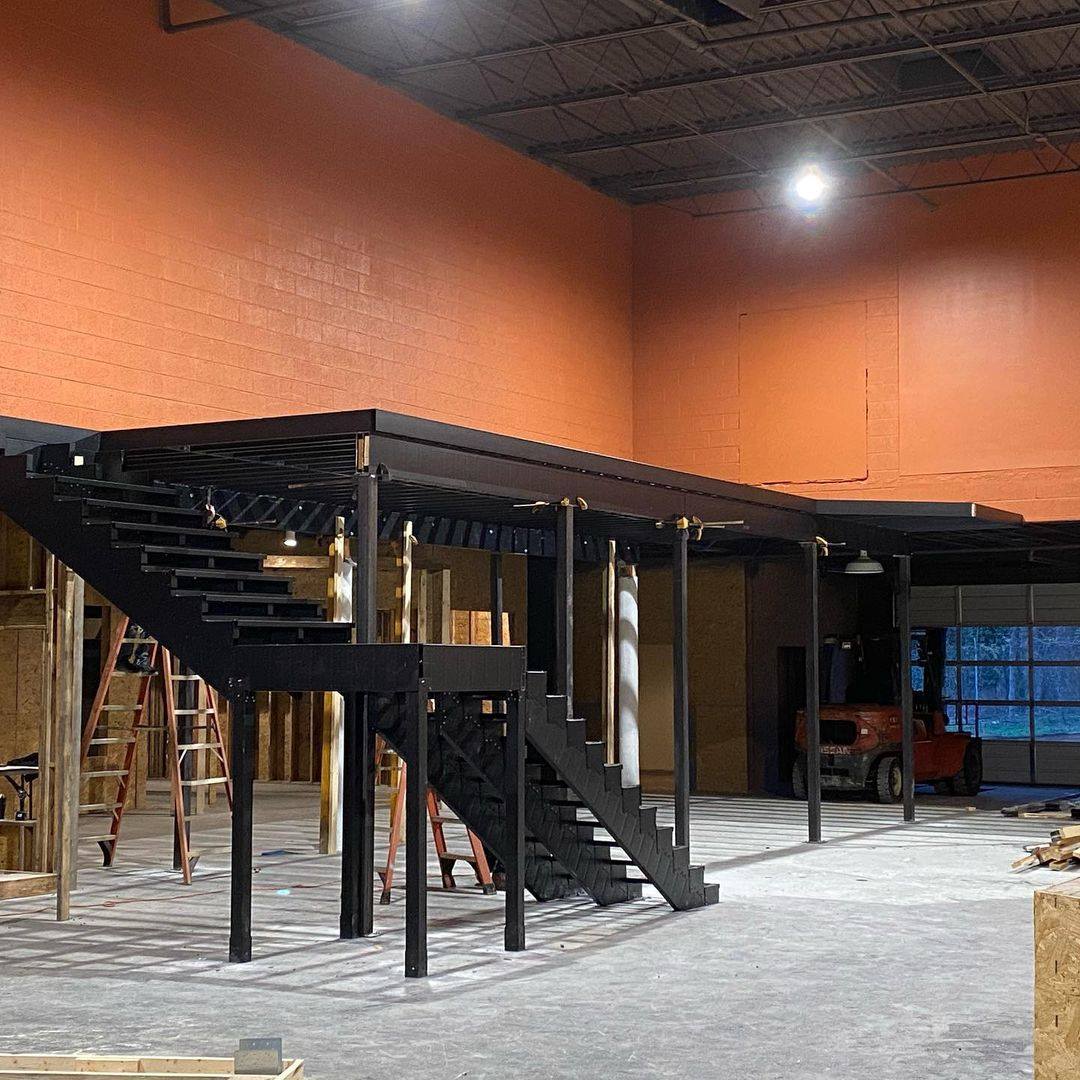
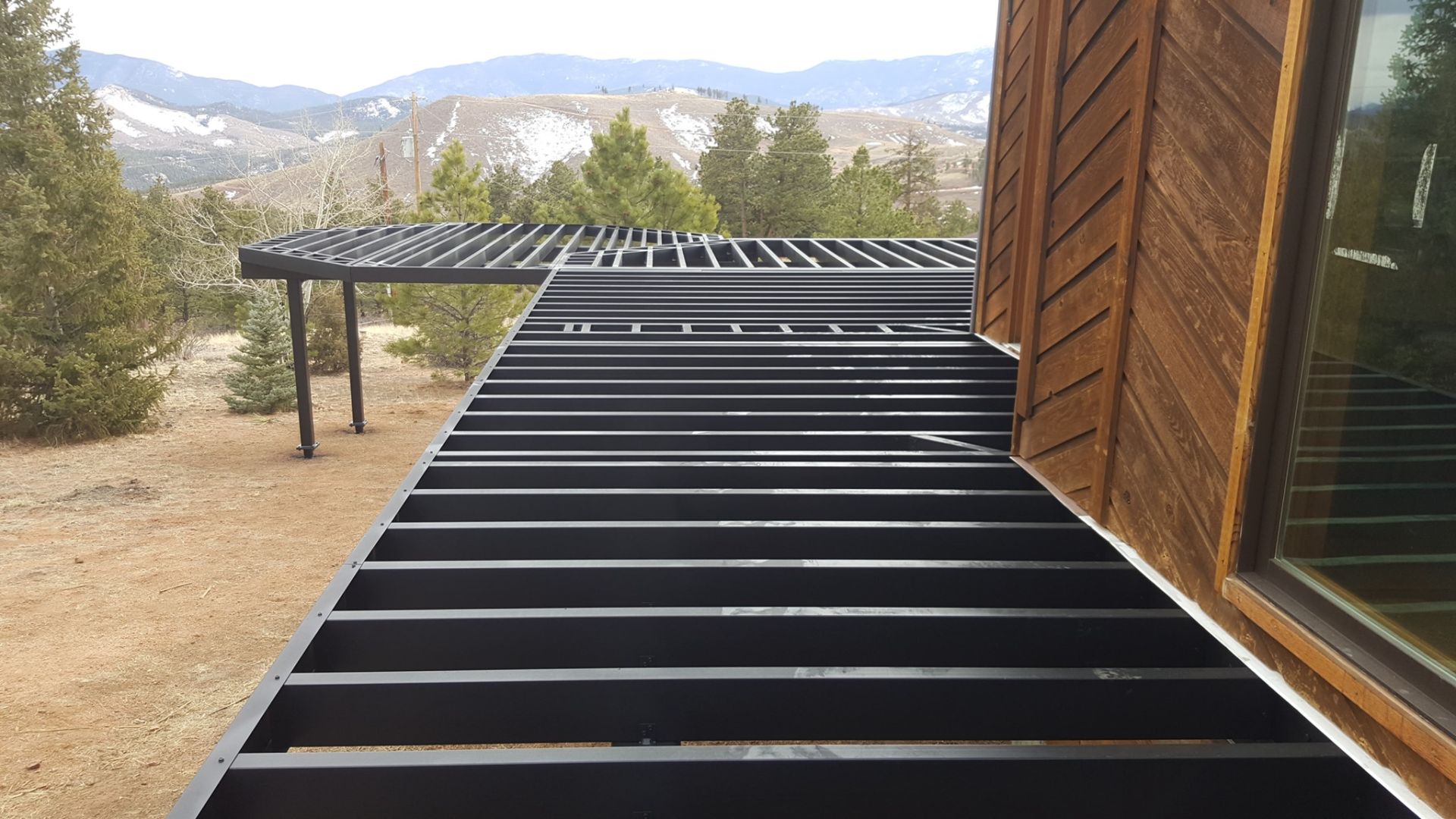
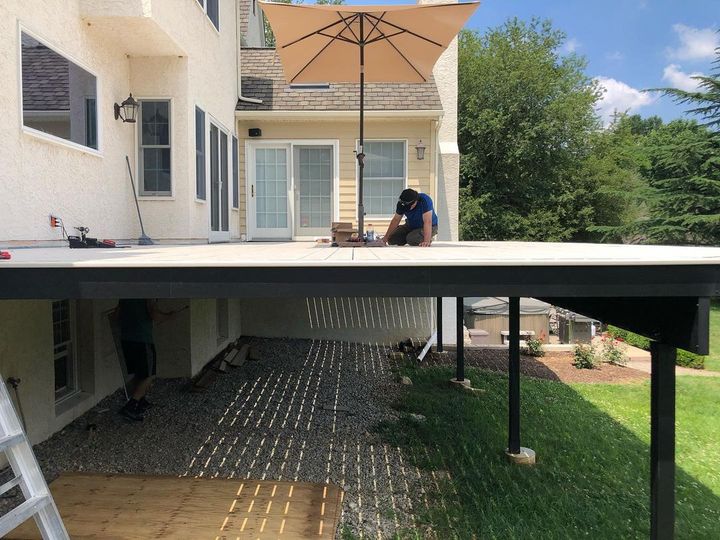
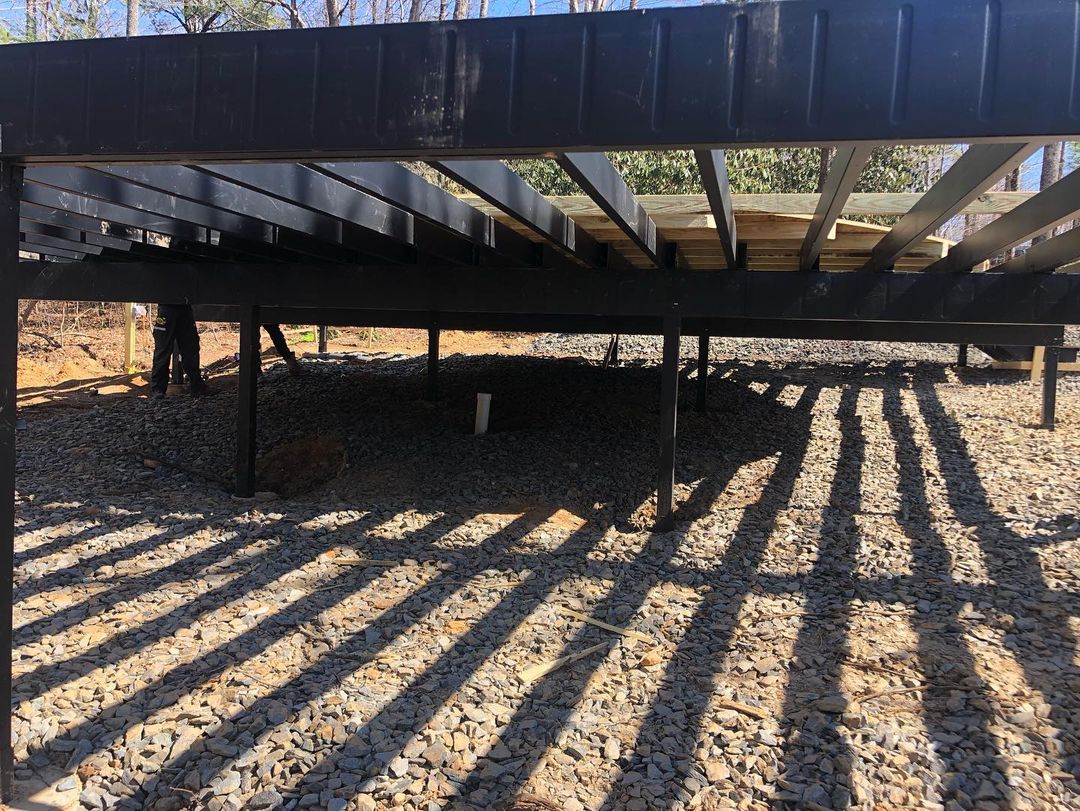
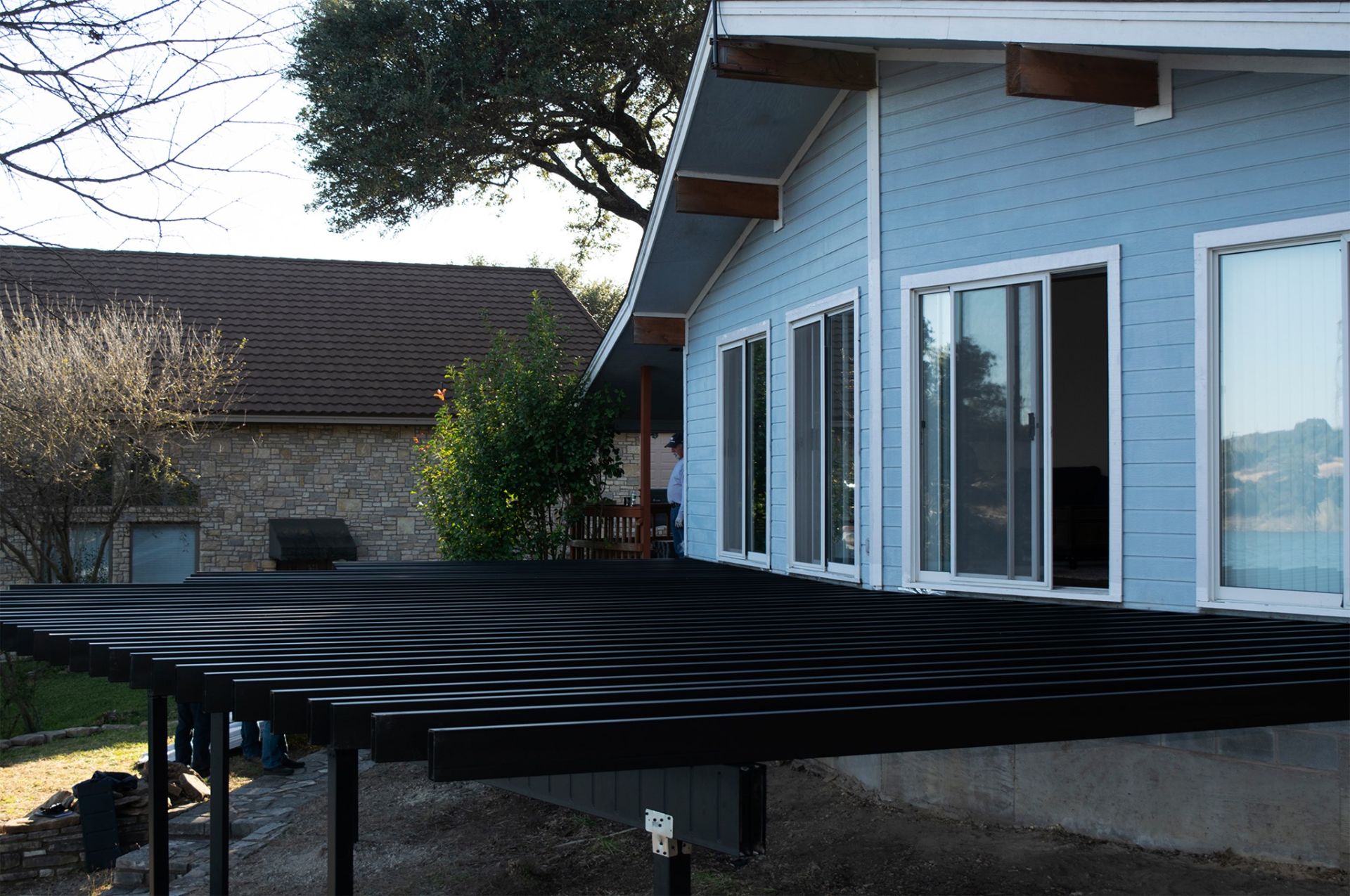
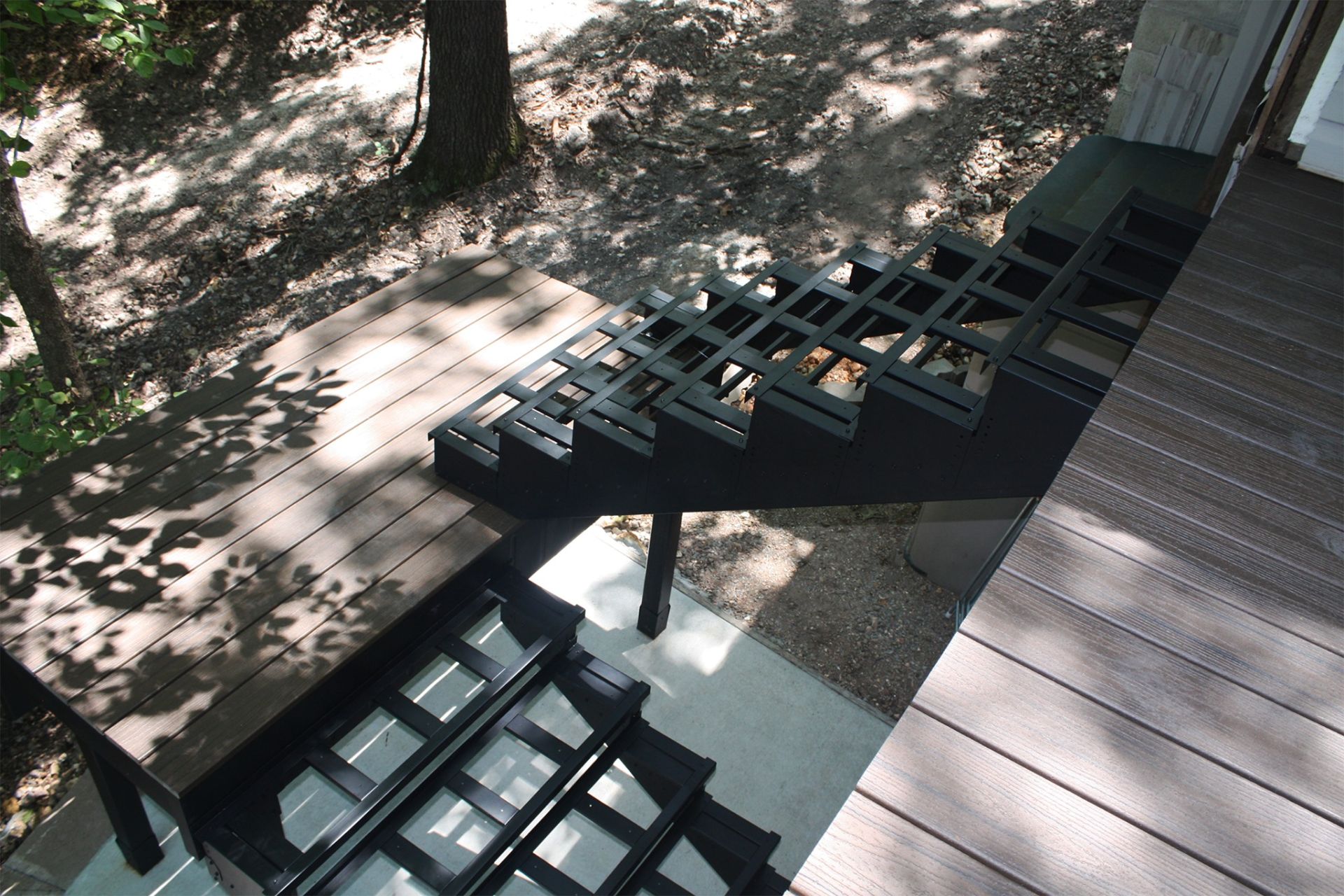
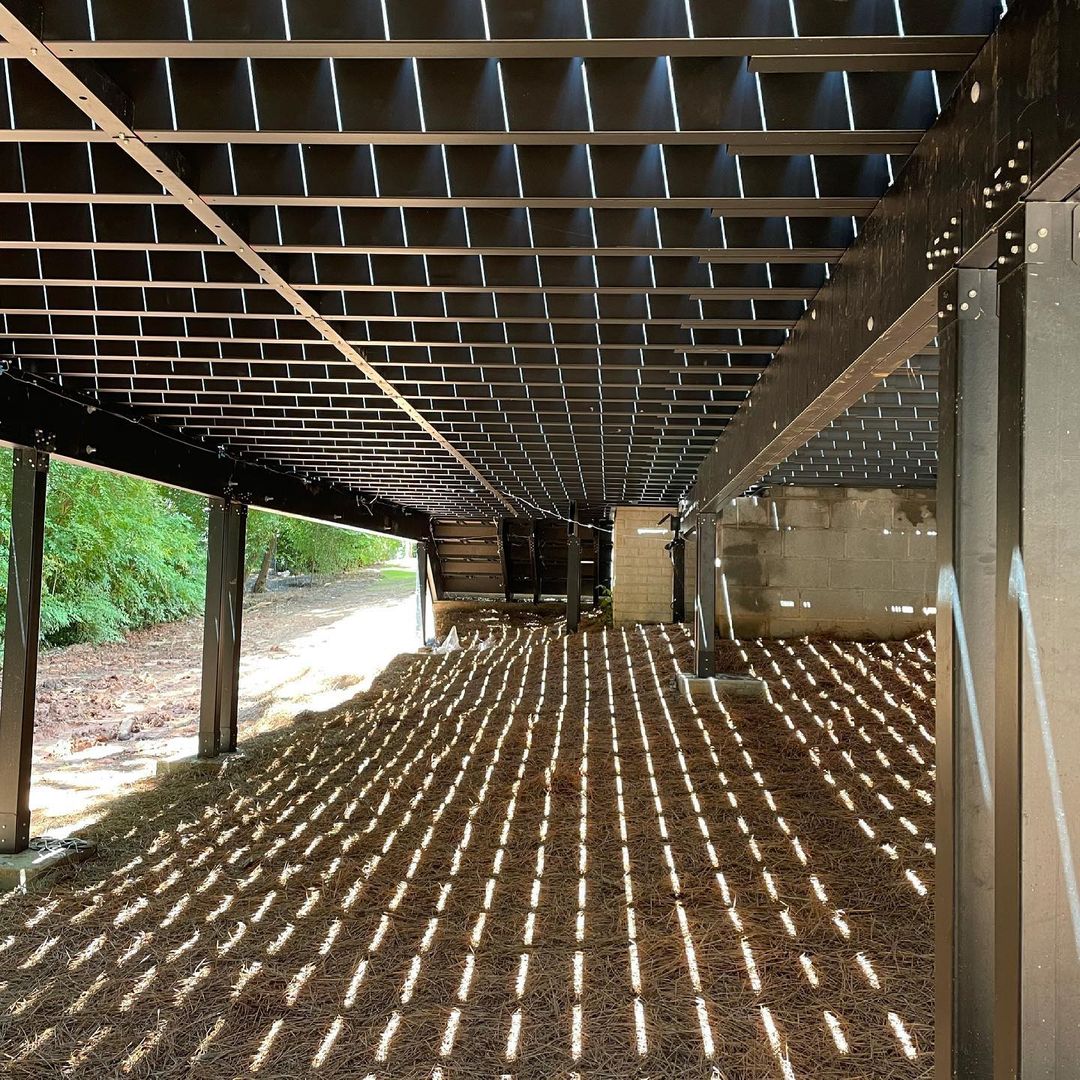
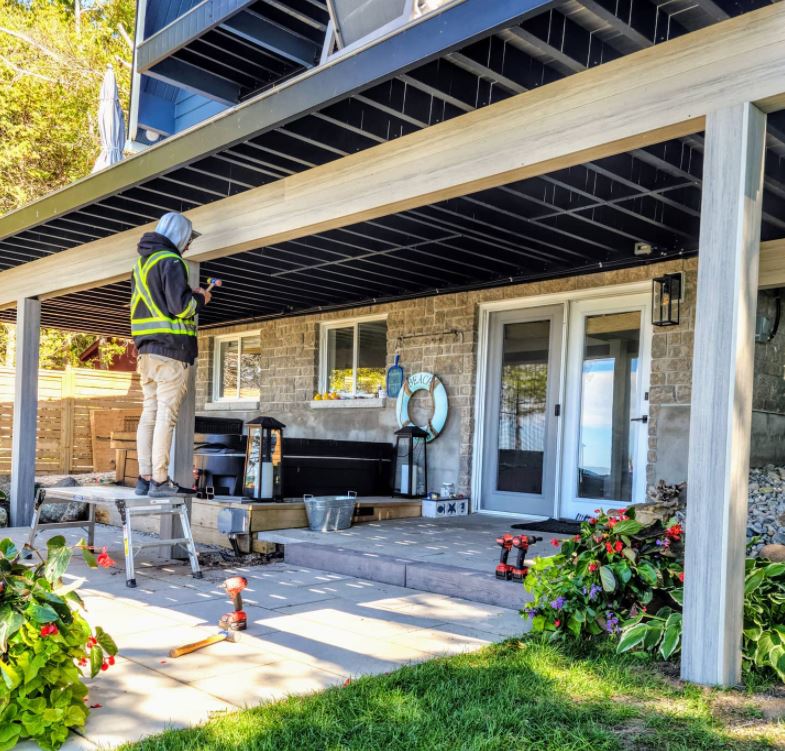
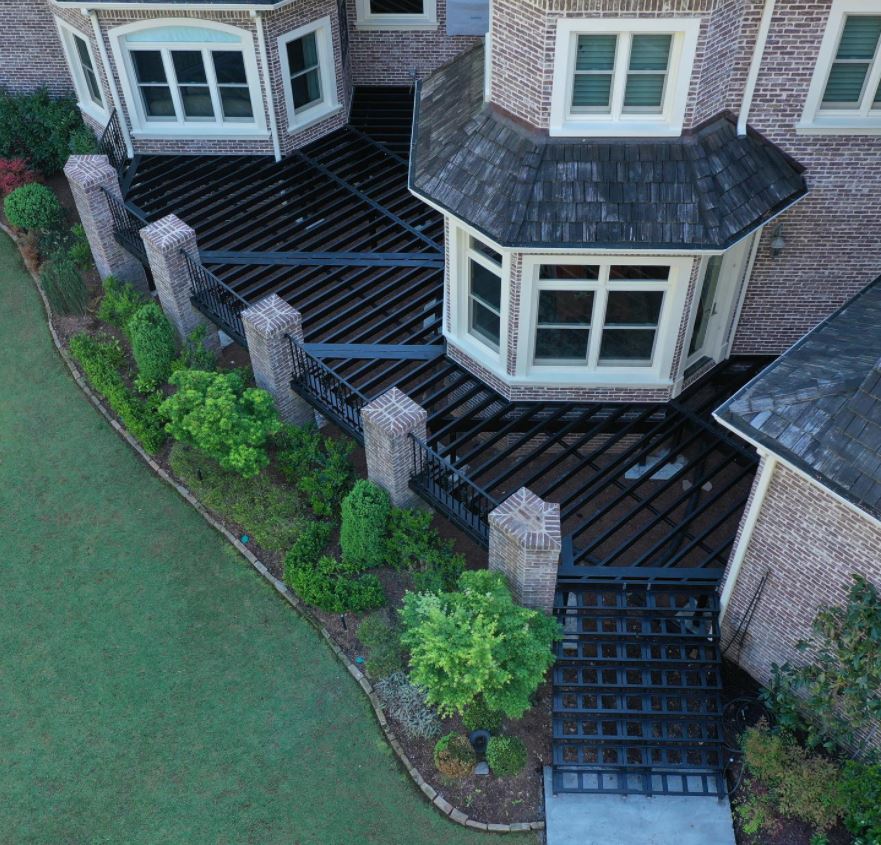
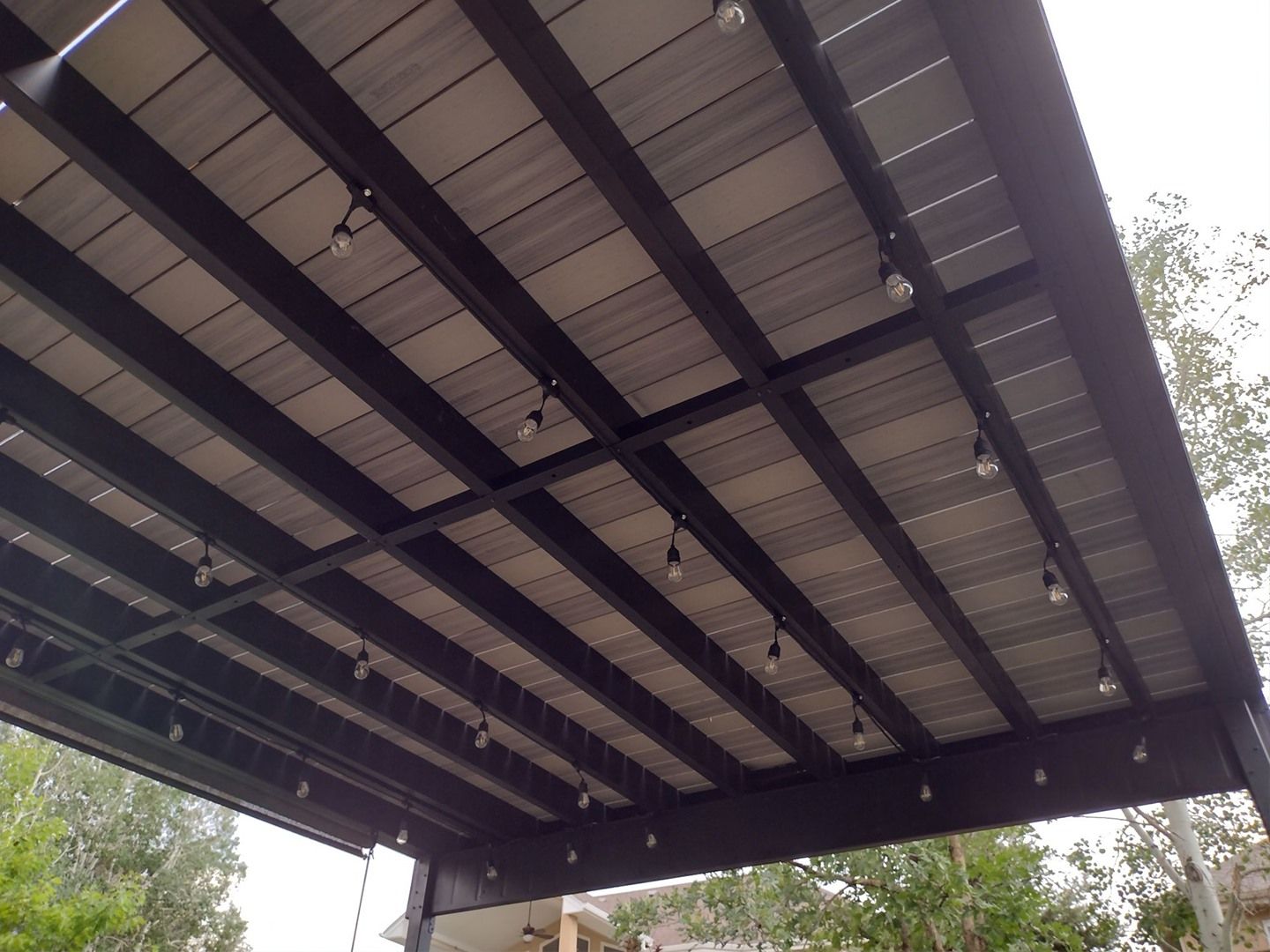
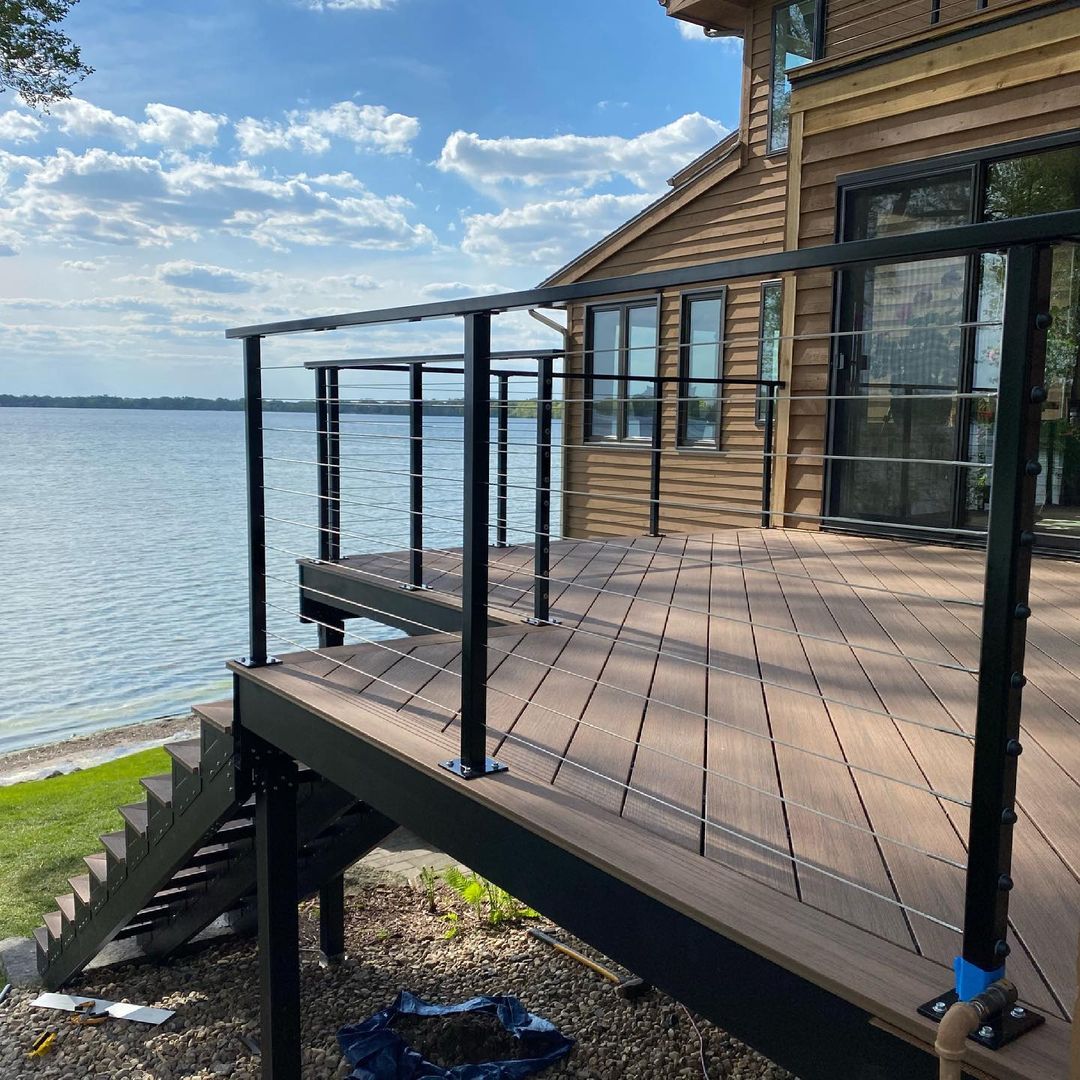
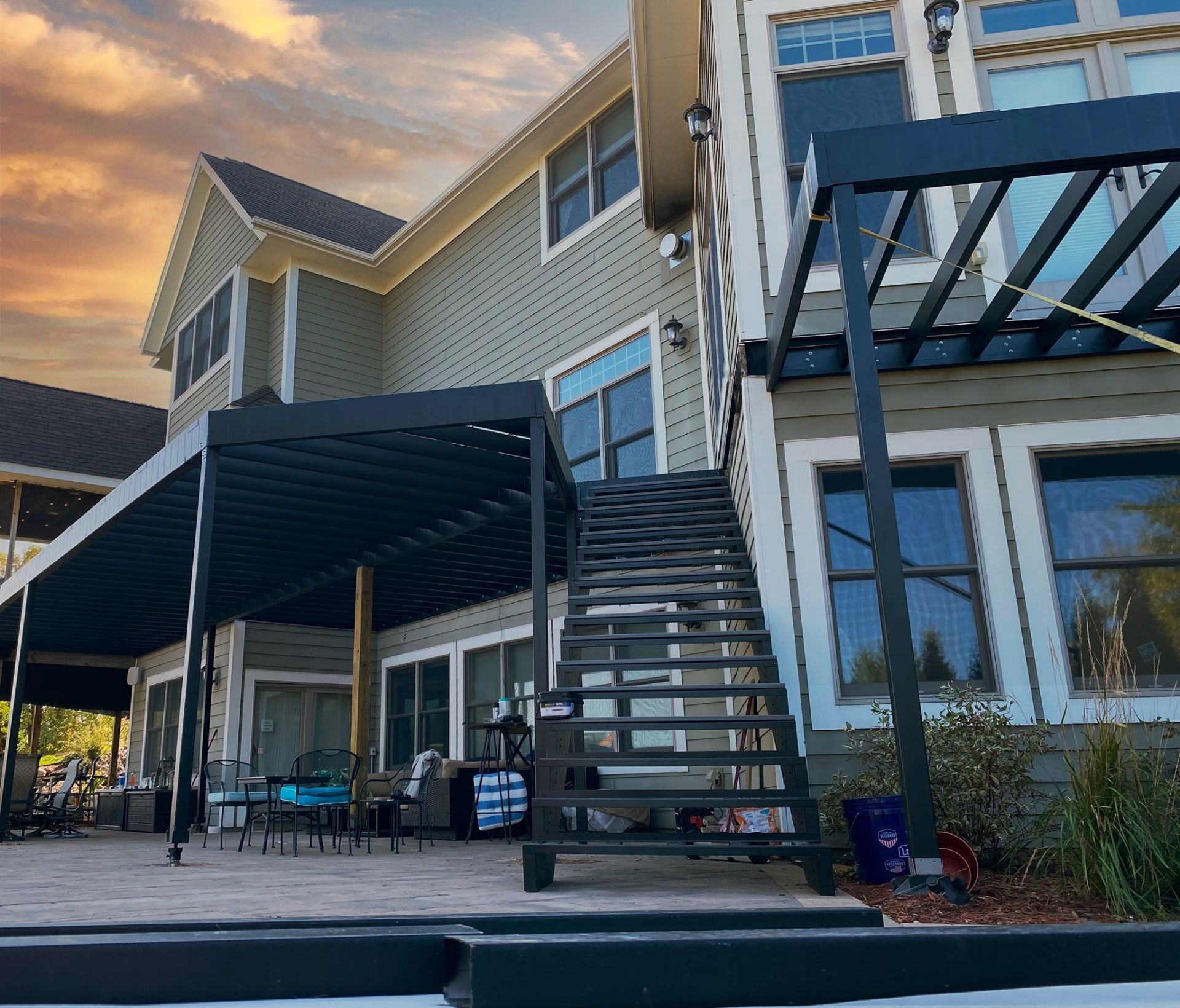
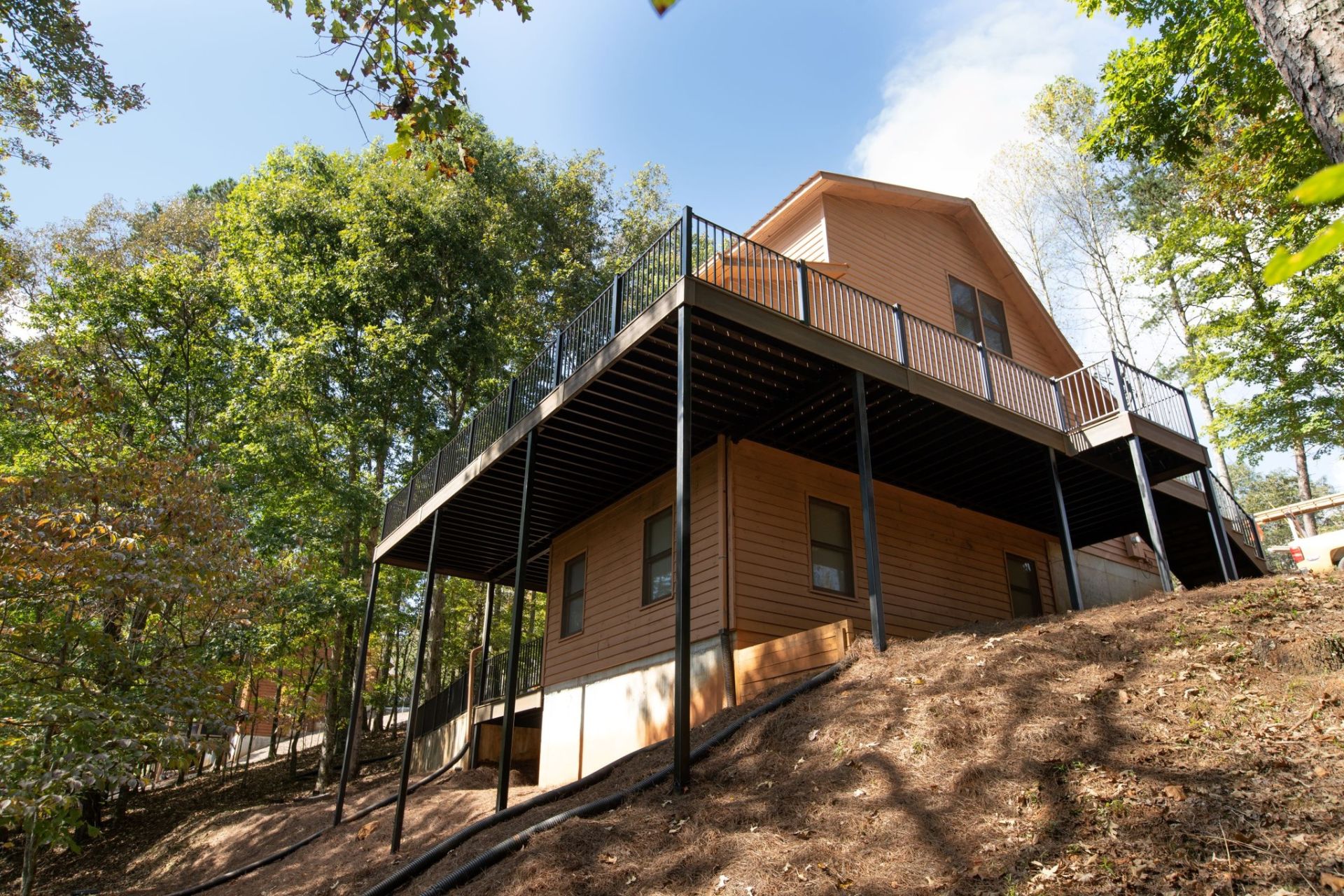
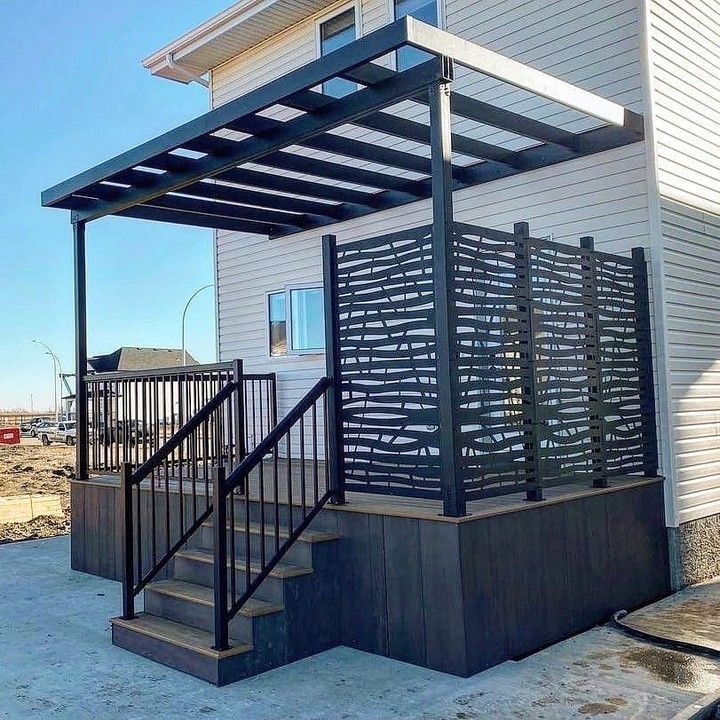
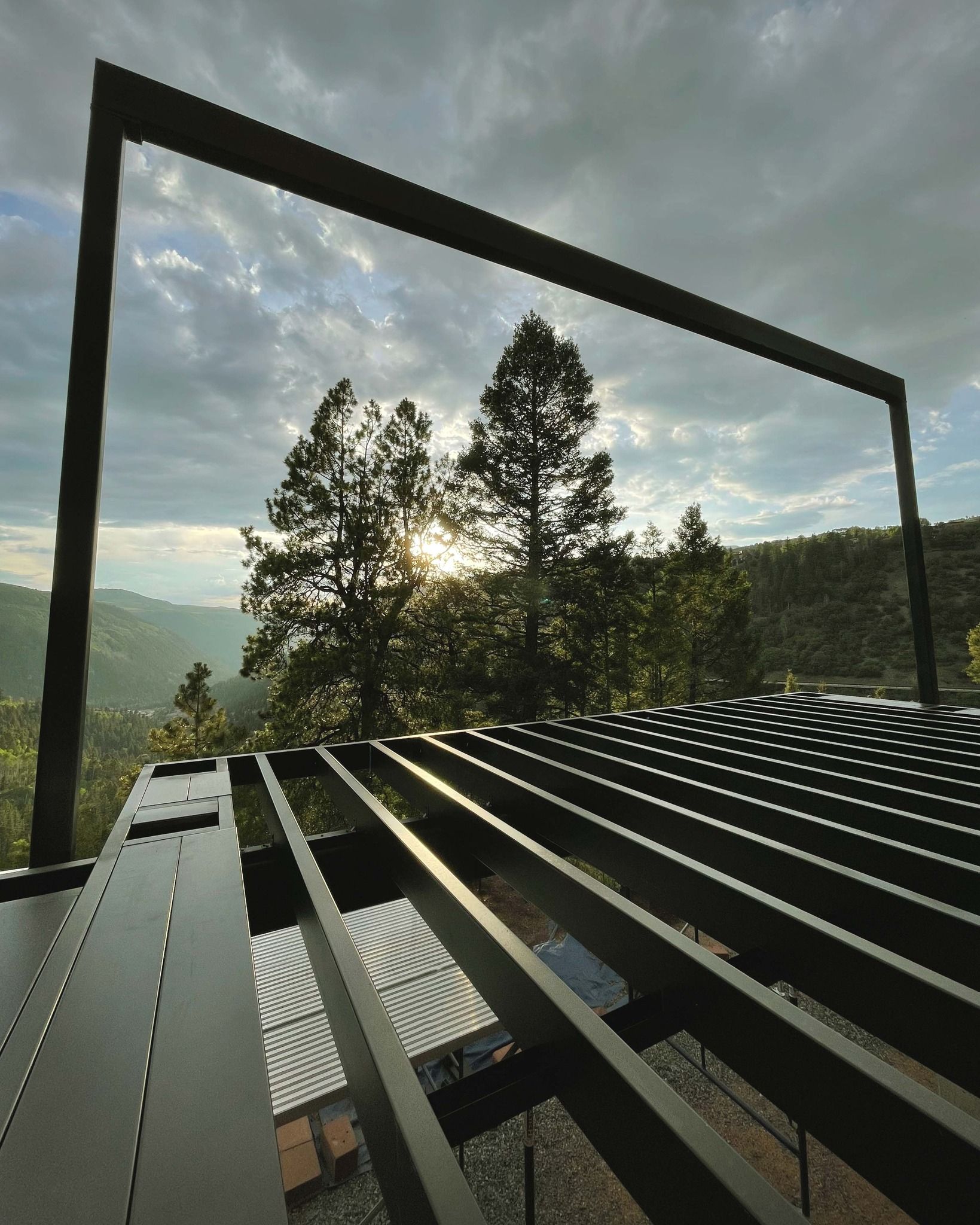
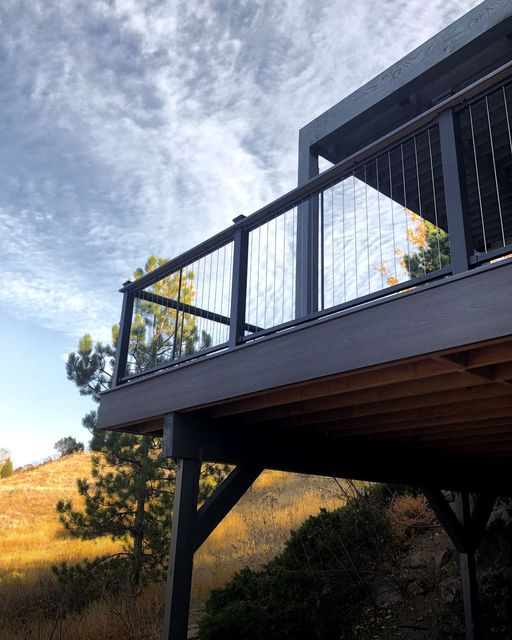
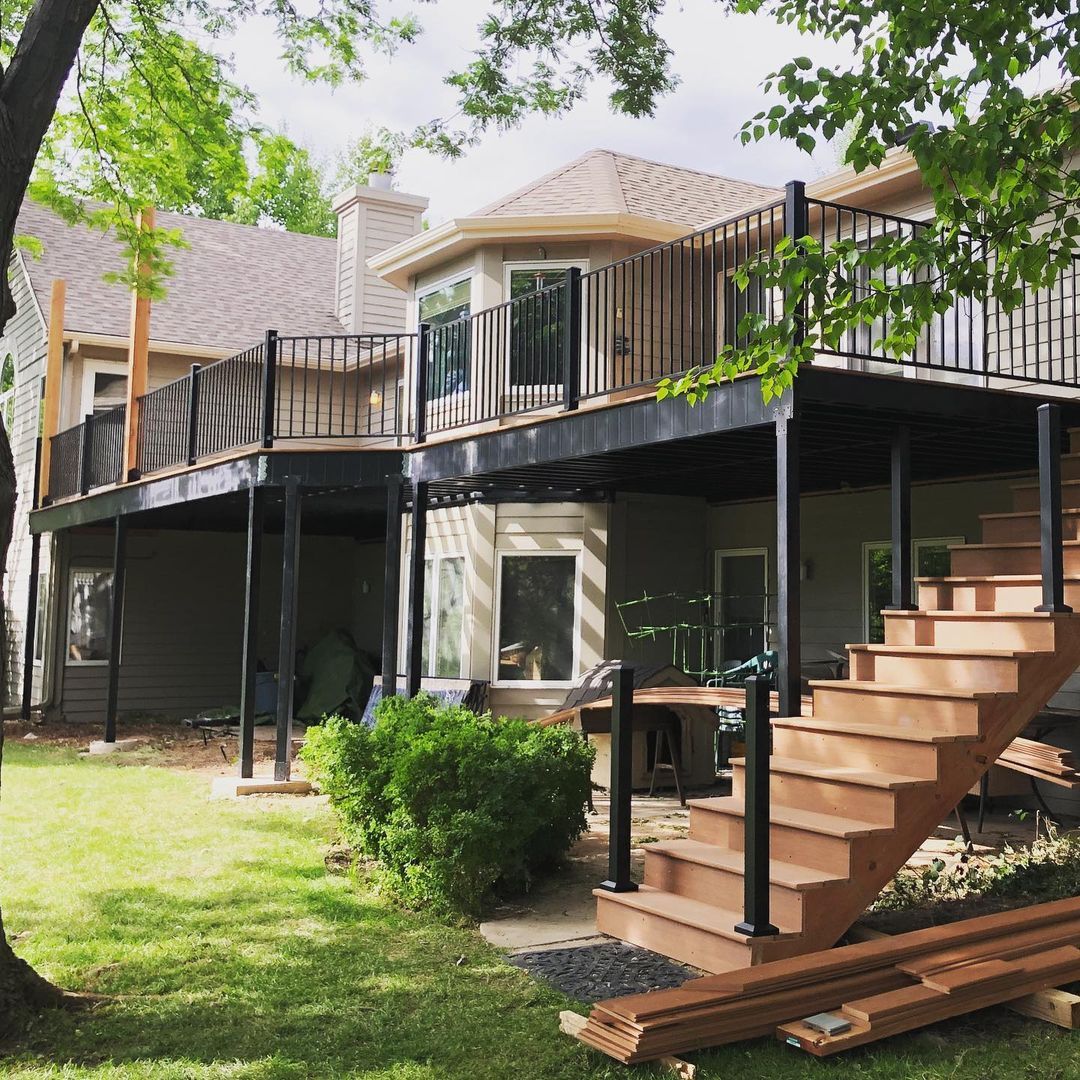
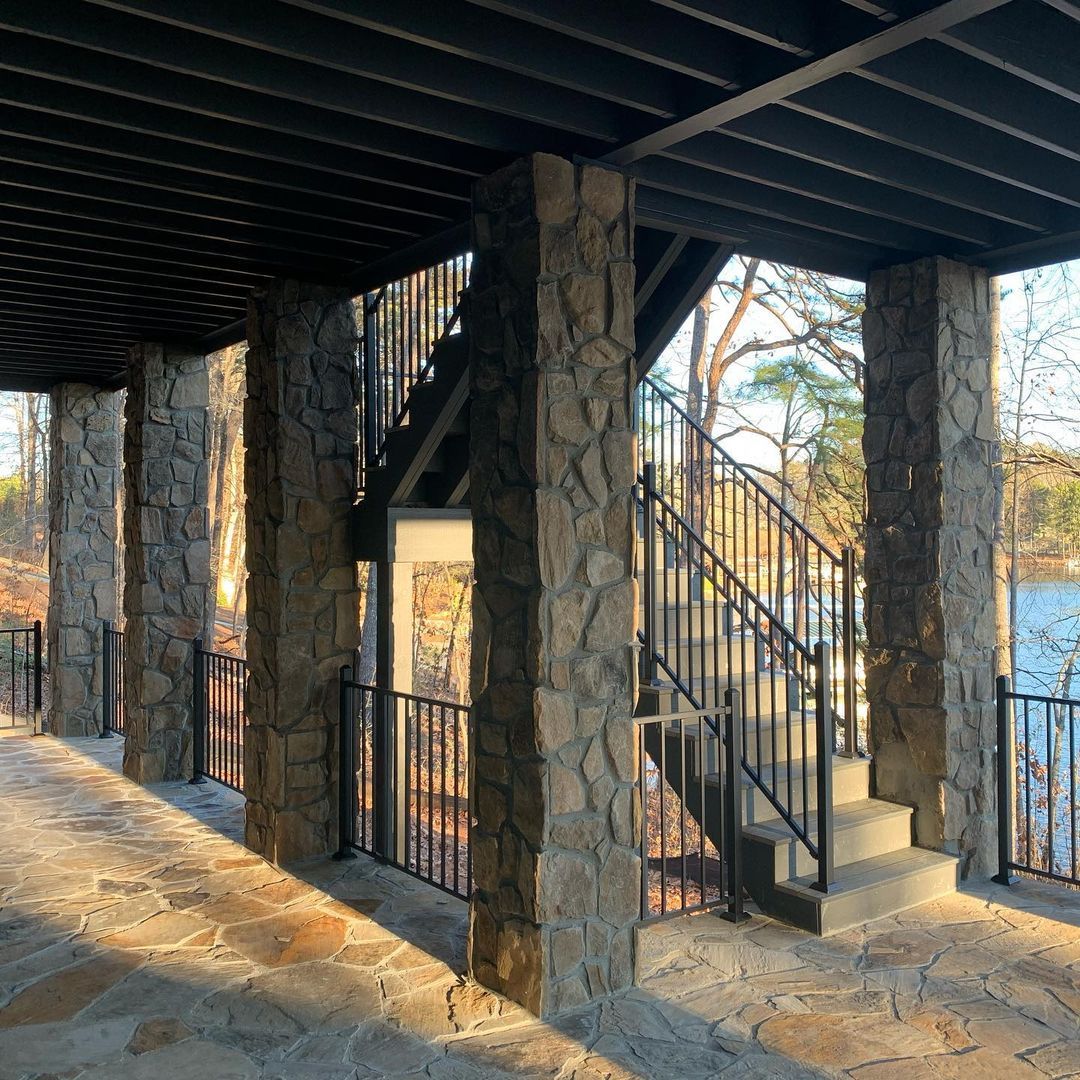
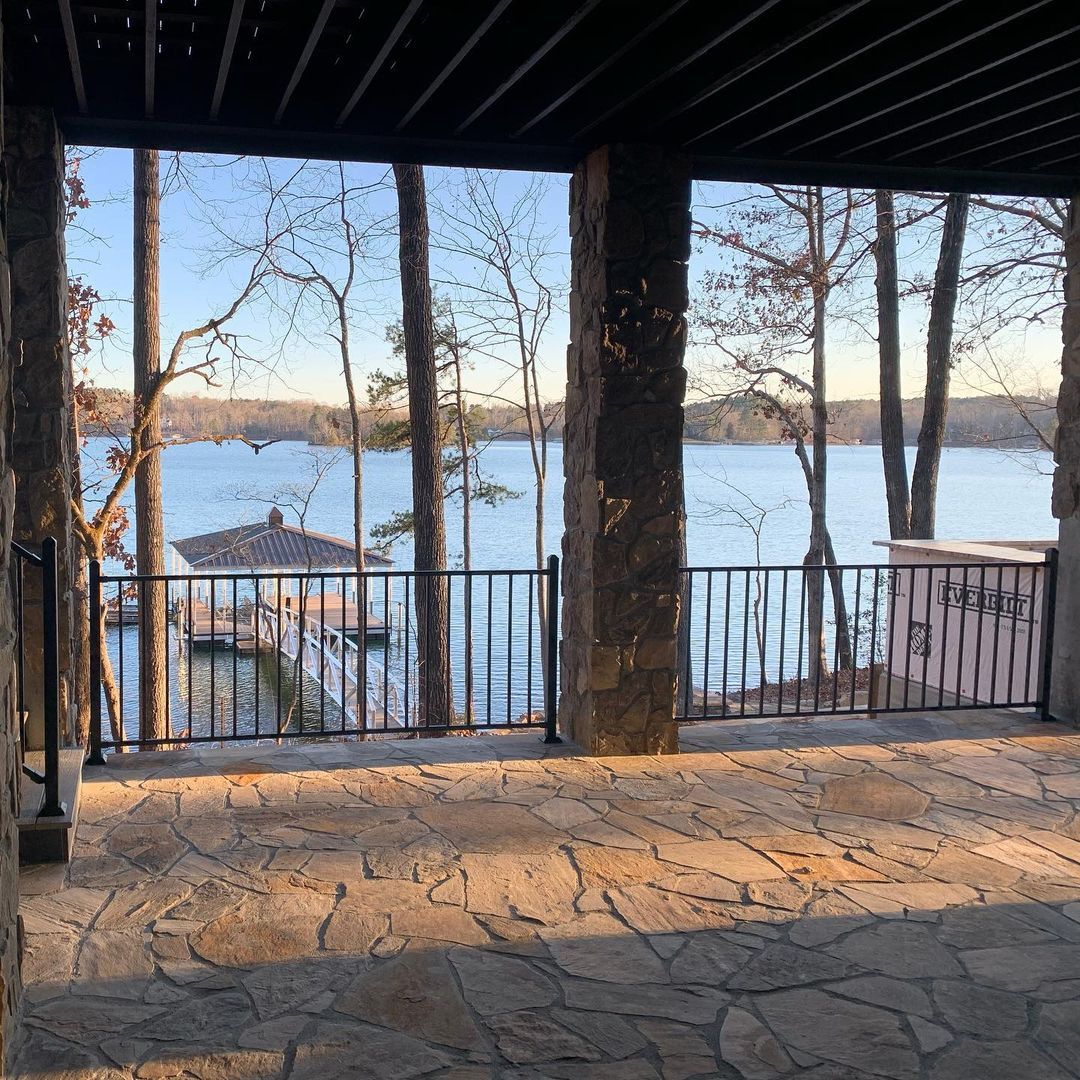
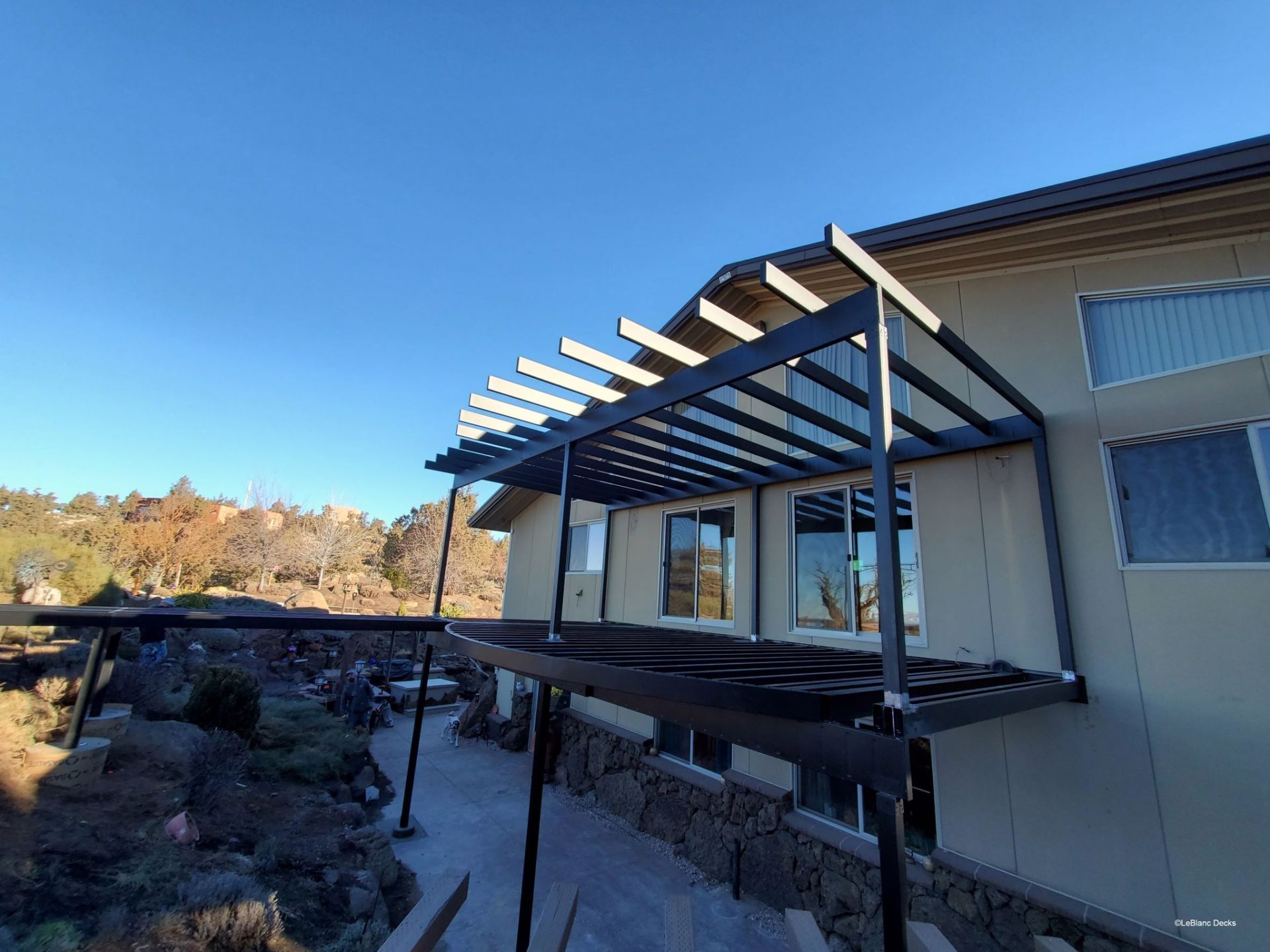
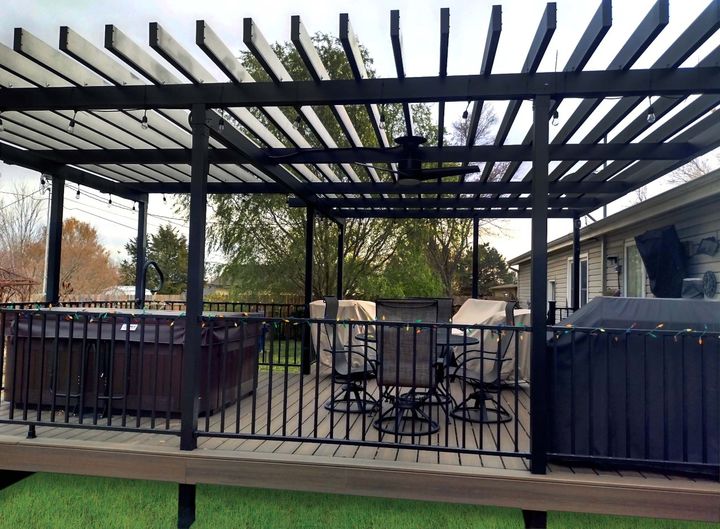
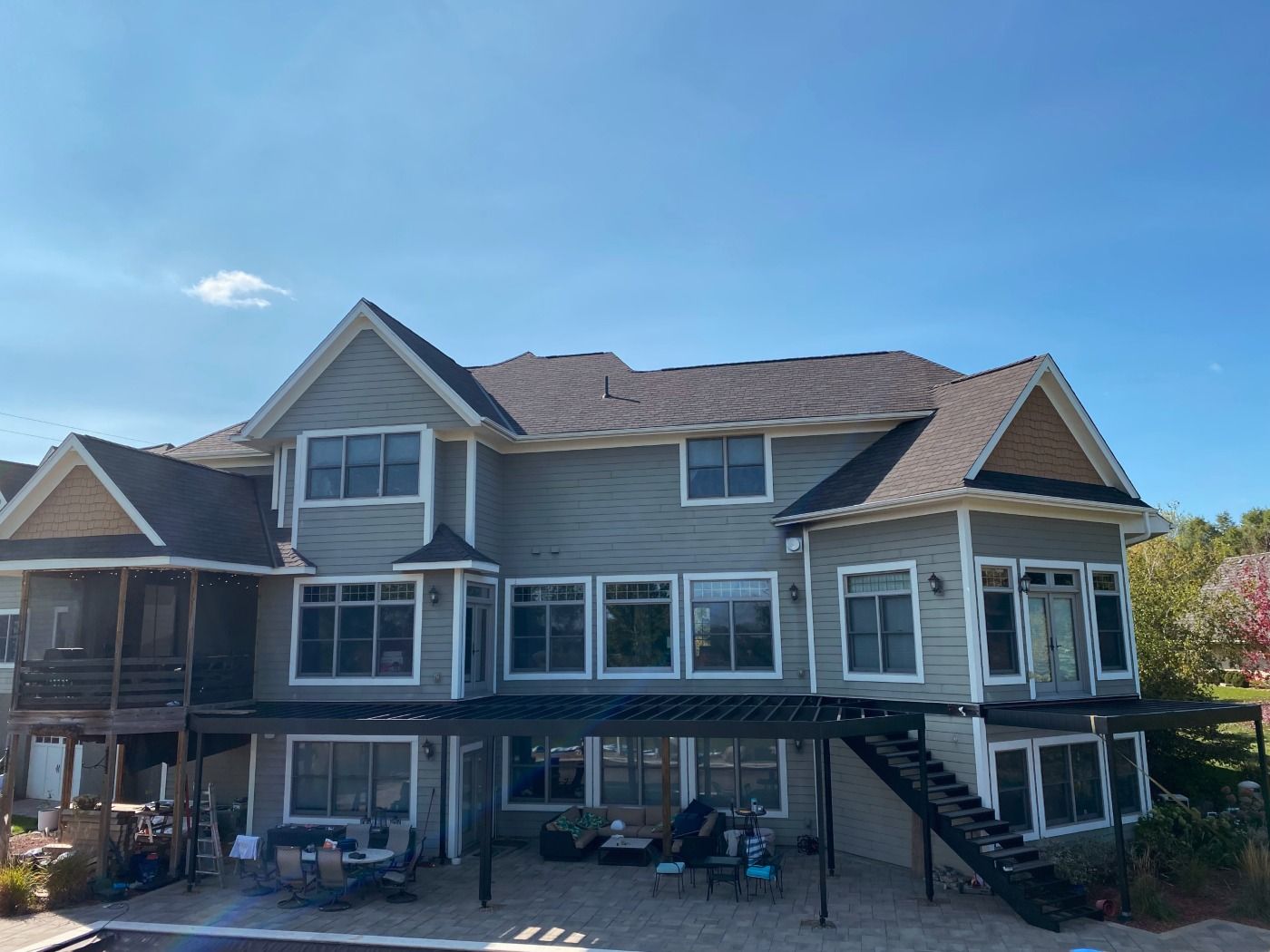
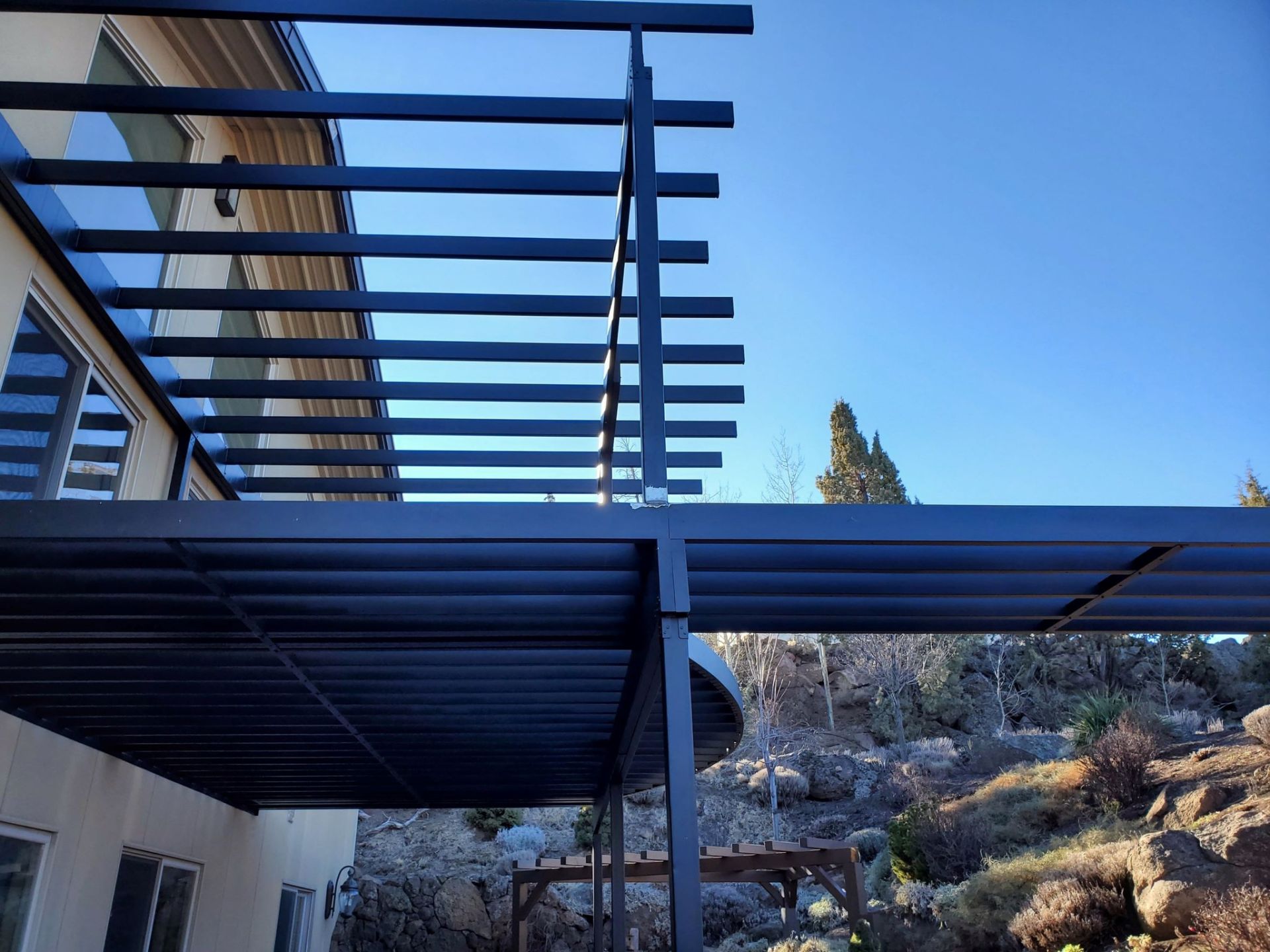
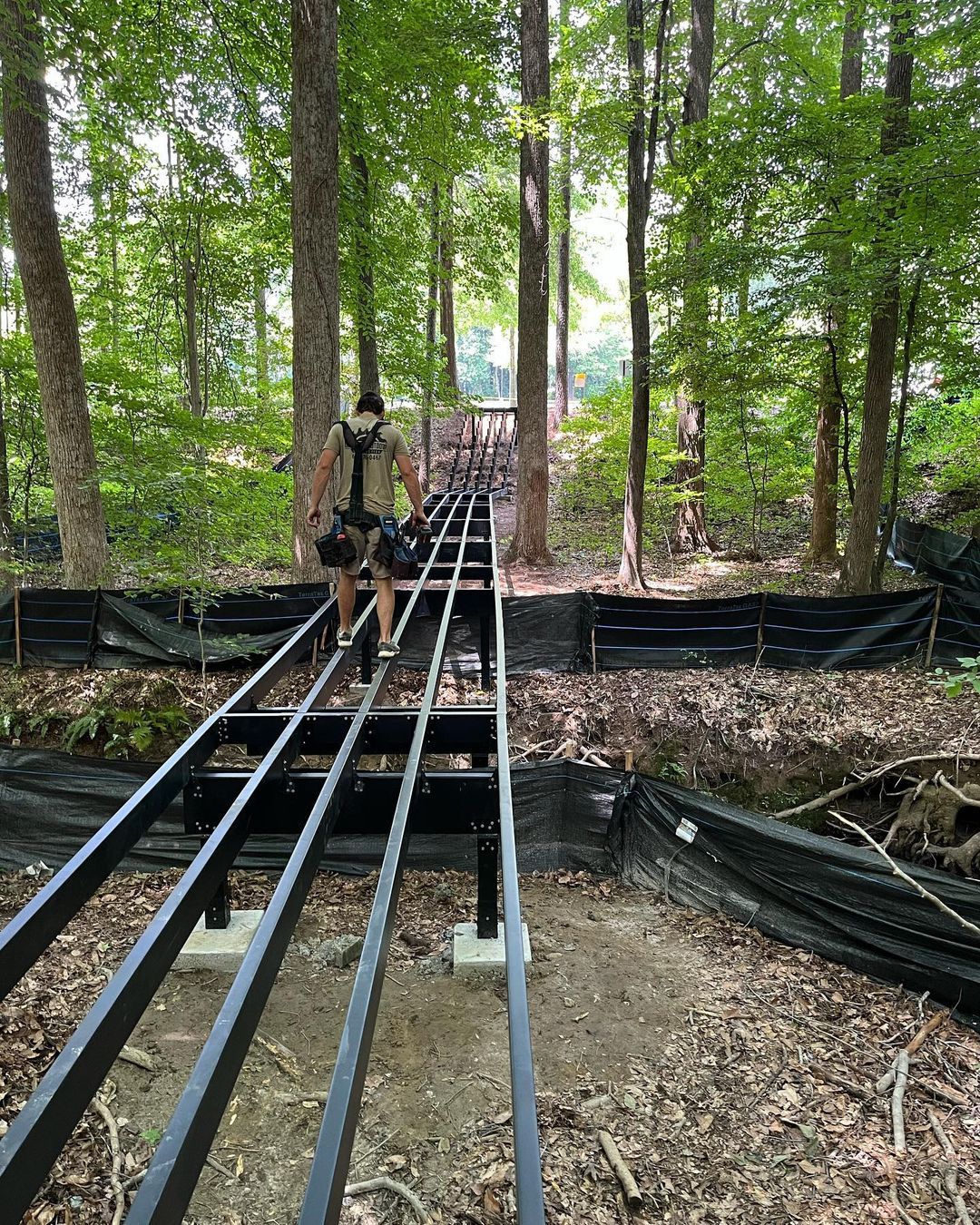
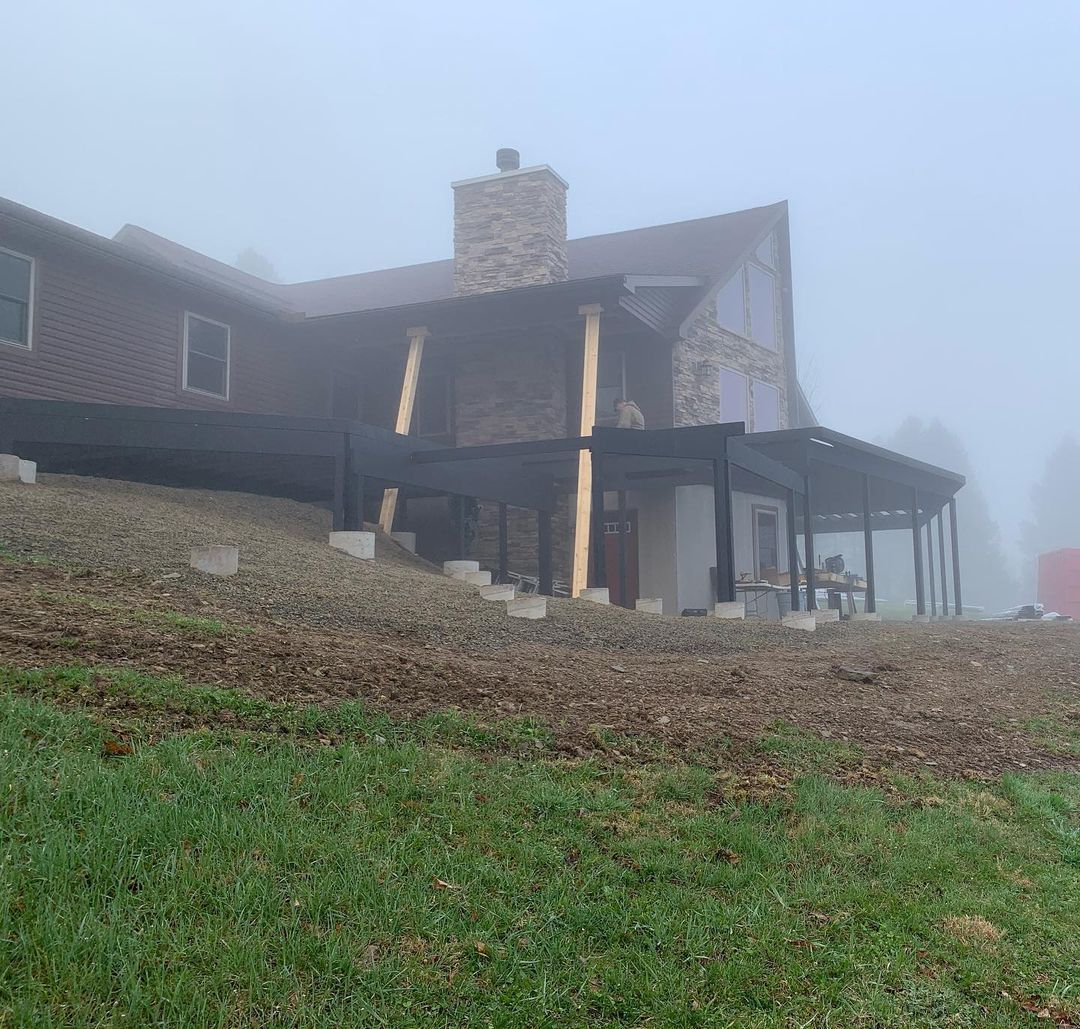
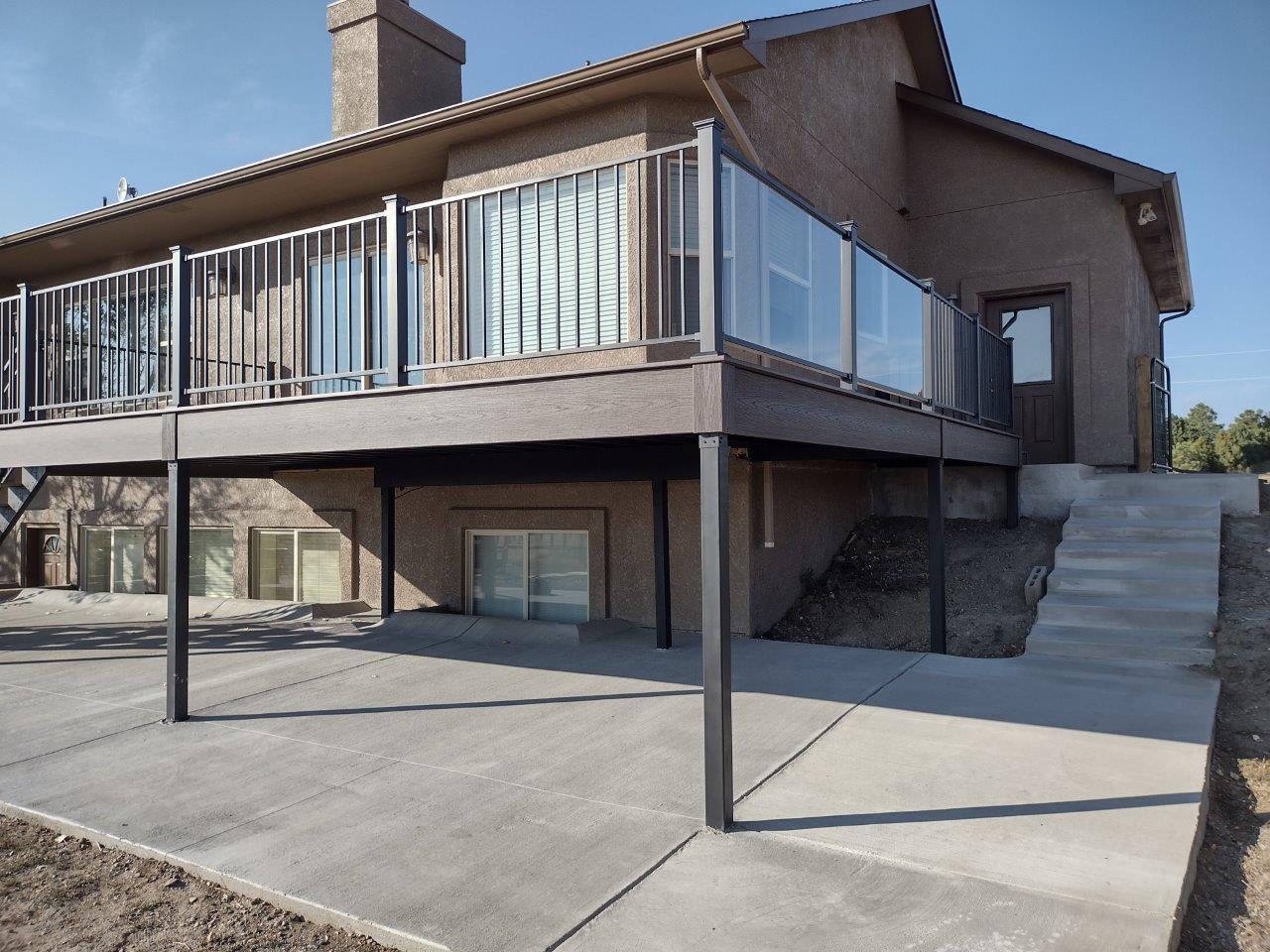
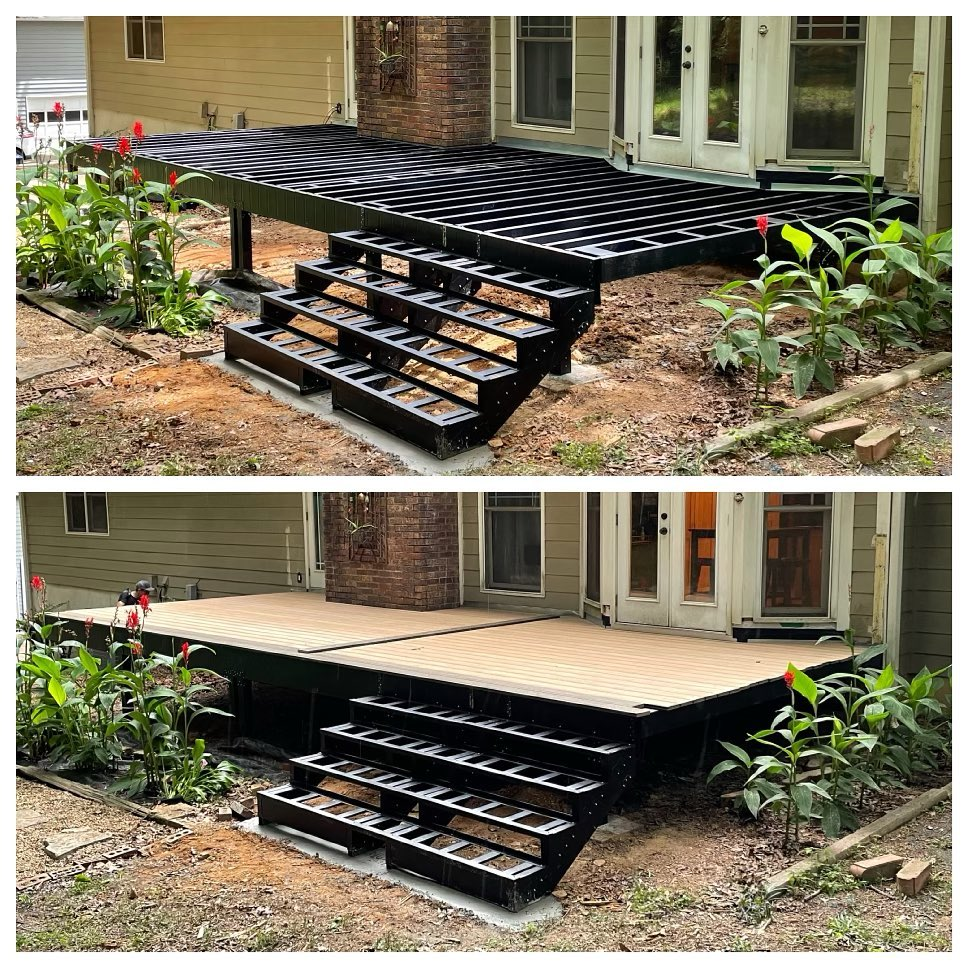
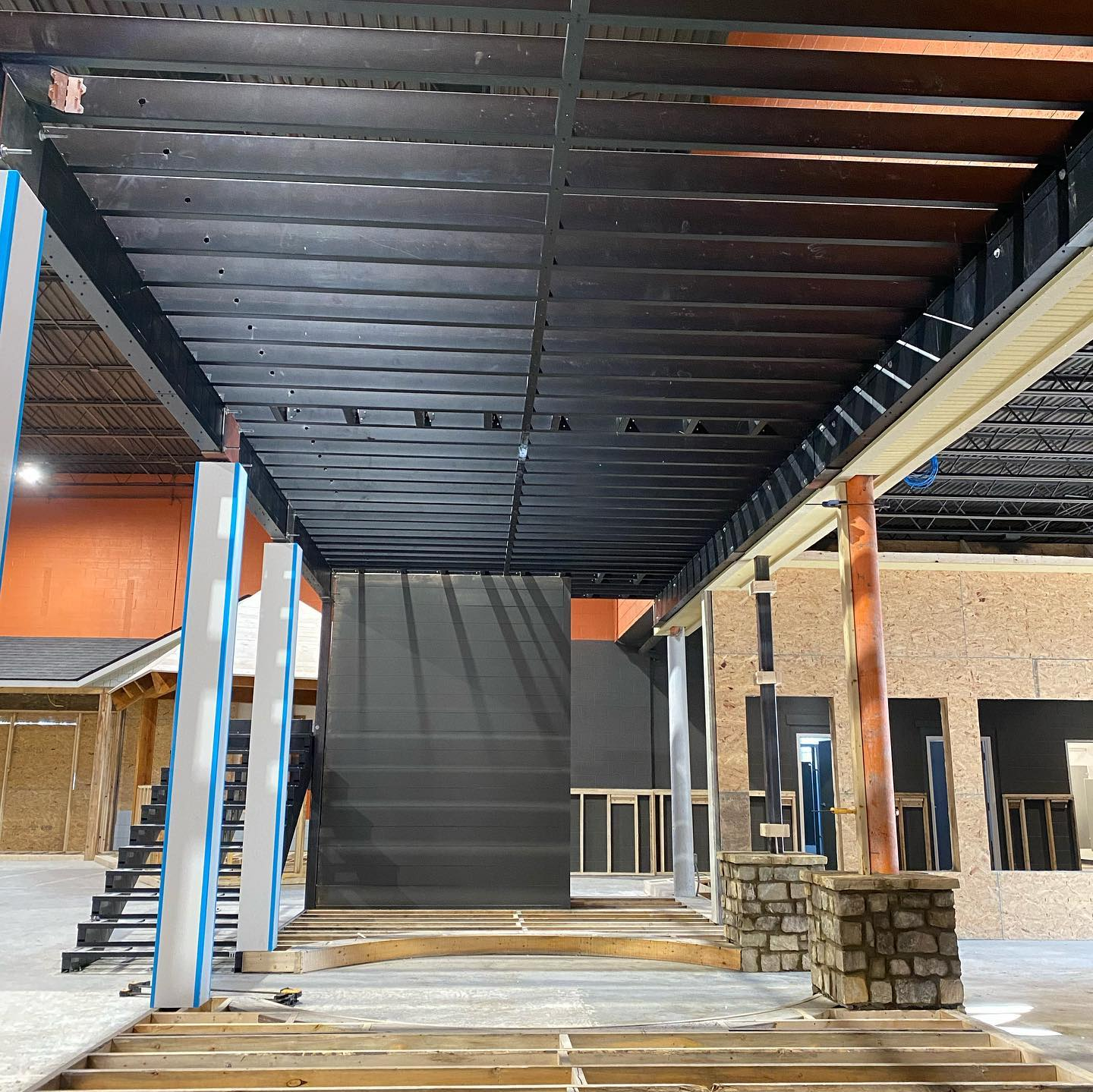
During the prospect stage, most dealers are likely going to be concerned about how much retail space the product will take up. They will also be concerned about their lack of knowledge on the product. You can utilize these base demo and benefits videos to get your point across that the product is basically steel "wood", or a wood upgrade and replacement. Try not to spend too much time on this other quickly scrubbing through a video to point out benefits or to get a point across. Photos to show dealers should focus less on builds and more on displays and lifestyle photos. Documents to show or have on hand would be estimate examples, the warranty, the product catalog, TFS catalog, the sales sheet, and perhaps the hand sample to walk them through connections if they are struggling to visualize the product.
Steel VS Wood
If the prospect is a traditional wood deck builder this is a good place to get started.
Build Show - Build Process
This video was on the Popular YouTube channel the Build show. It is has been widely viewed thousands of times.
Steel Stair Framing
In case stairs come up this could be a good follow up video link to send.
Evolution Images
Quick Docs











Copyright © 2026